Abstract
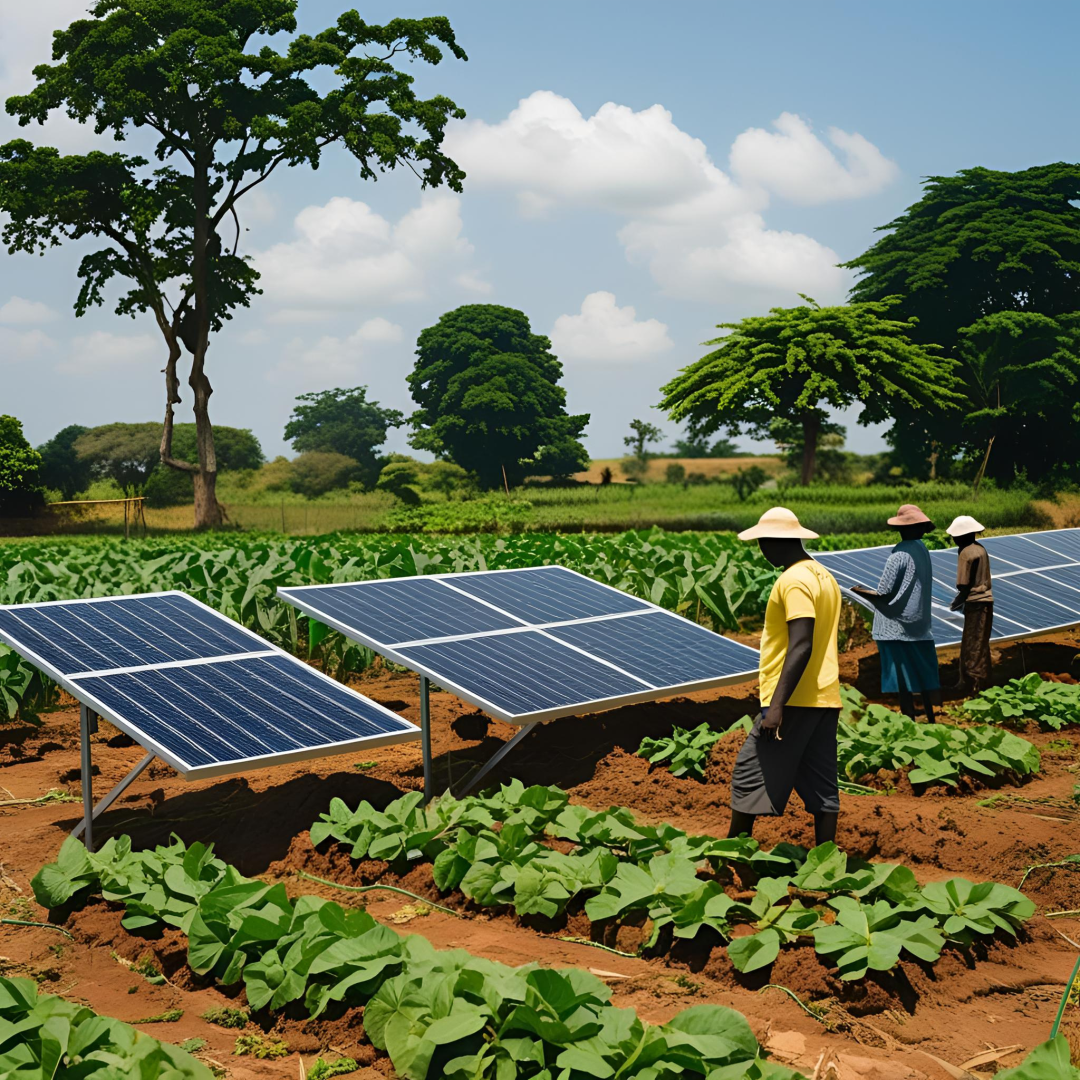
Access to reliable and affordable electricity remains a critical challenge for rural farming communities in Sub-Saharan Africa. In Ghana, where agriculture is both a primary livelihood and a driver of GDP, power shortages can severely disrupt productivity and food security. In response, AIPCHAIN has launched a pioneering initiative that combines artificial intelligence (AI) with solar microgrid technology to help farmers forecast electricity demand and optimize battery storage. This project not only enhances energy efficiency but also supports sustainable farming through decentralized clean energy solutions.
1. Introduction
Rural farmers in Ghana face unpredictable access to power for irrigation systems, crop drying, cold storage, and basic household needs. Traditional diesel-based solutions are costly, environmentally harmful, and unreliable. As part of its mission to decentralize energy systems, AIPCHAIN introduces an integrated platform that leverages AI algorithms and blockchain infrastructure to address these issues in a sustainable and autonomous way.
2. Project Location: Bono East Region, Ghana
The project is being piloted in Bono East, an agricultural hub known for maize, yam, and cassava production. The area presents ideal conditions for decentralized renewable energy deployment due to:
- High solar irradiance year-round
- Poor reliability of the central grid
- A strong network of farmer cooperatives and community-led agricultural organizations
- Availability of mobile connectivity for data transmission
3. AI-Powered Forecasting System
The core innovation lies in AIPCHAIN’s AI Forecasting Engine, which is trained using:
- Historical electricity usage patterns
- Weather predictions from satellite and local sensors
- Crop cycles and irrigation schedules
- Community energy trade data from blockchain smart contracts
This engine predicts power demand at 15-minute intervals, enabling farmers to pre-plan equipment use and avoid overconsumption or under-utilization.
4. Solar Battery Optimization
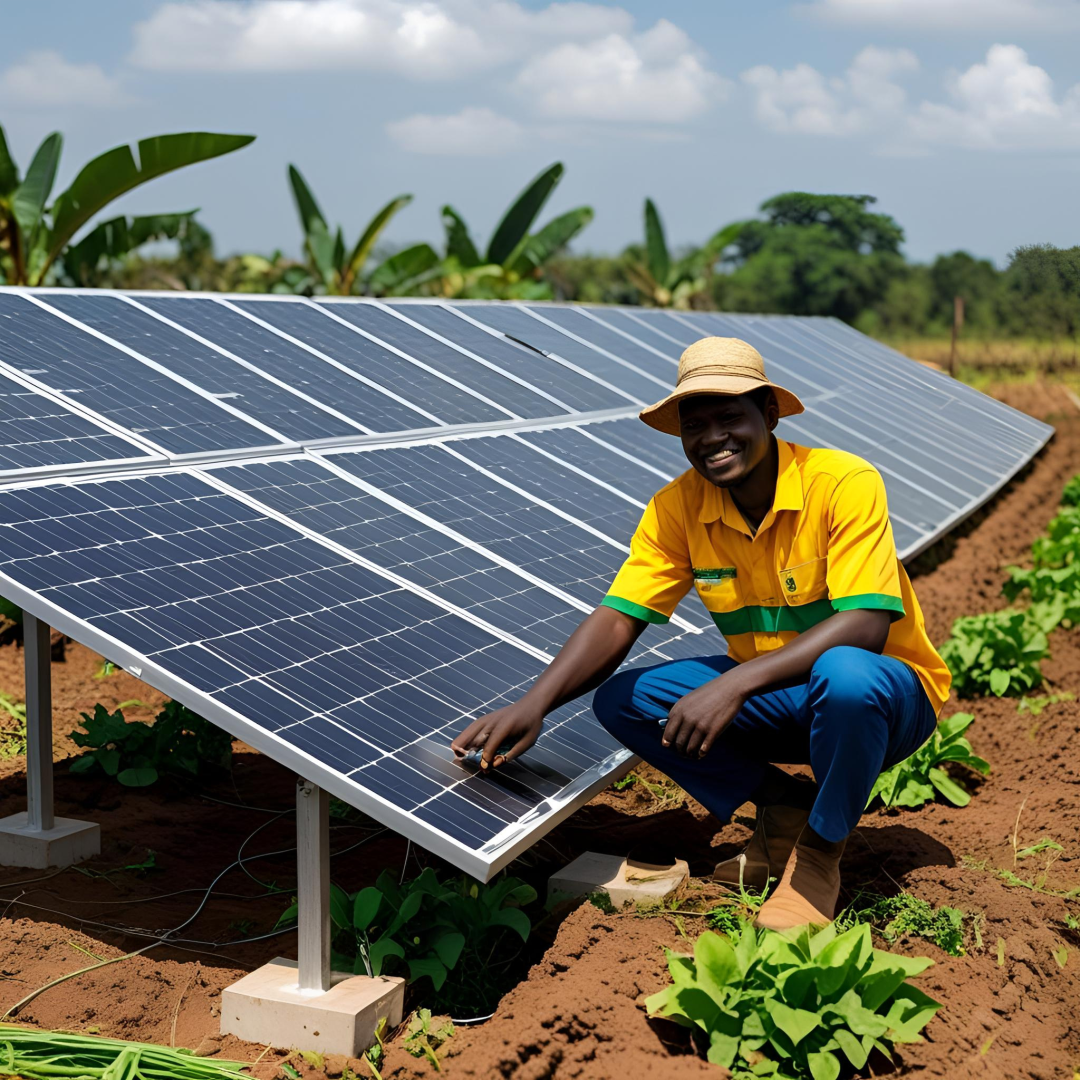
In tandem with forecasting, AIPCHAIN deploys Lithium Iron Phosphate (LiFePO4) battery systems that are charged using local solar panels. AI advises on:
- Optimal charge/discharge cycles
- When to store energy vs. sell surplus on the P2P energy marketplace
- Preventing battery degradation through intelligent load balancing
The result is extended battery life, lower maintenance costs, and higher ROI for smallholder farmers.
5. Blockchain Integration
All energy transactions, demand predictions, and storage data are stored securely on the AIPCHAIN blockchain to ensure:
- Tamper-proof energy records
- Transparent credit/reward mechanisms for efficient usage
- Real-time verification of carbon-saving impact
Farmers receive tokenized incentives when their behavior aligns with sustainability targets (e.g., using energy during low-demand periods or selling surplus clean electricity to neighbors).
6. Social and Economic Benefits
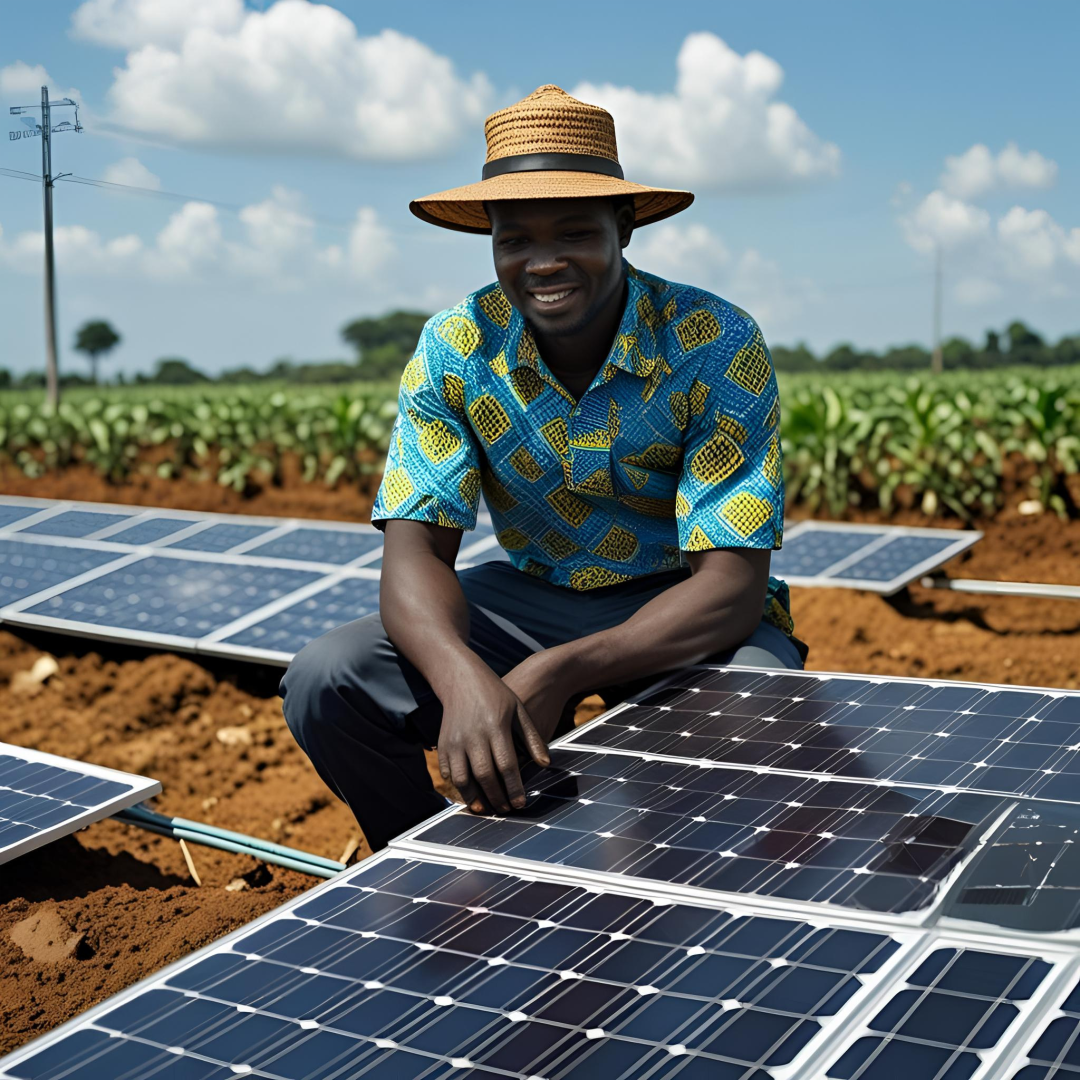
- 📈 Increased agricultural productivity through reliable irrigation and storage
- 💰 Reduced reliance on diesel generators and lower fuel expenses
- 🌍 Improved environmental impact through clean energy adoption
- 🎓 Skill-building opportunities as local youth are trained in AI, energy, and blockchain technologies
7. Policy and Partnerships
AIPCHAIN collaborates with the Ghana Renewable Energy Agency (GREA) and Ministry of Food and Agriculture, ensuring that the pilot aligns with Ghana’s Renewable Energy Master Plan. The system also supports ESG reporting for agri-businesses and cooperatives participating in international carbon credit markets.
8. Roadmap & Scaling Potential
- Expansion to Northern and Volta Regions in 2026
- Integration of real-time pricing mechanisms and DeFi-based energy finance tools
- Enablement of automated micro-loans for farmers based on predicted energy needs and trading history
Conclusion
The integration of AI forecasting, solar energy, blockchain transparency, and local empowerment through the AIPCHAIN platform offers a replicable model for rural electrification. By placing energy intelligence directly in the hands of Ghanaian farmers, AIPCHAIN advances both digital and energy inclusion — paving the way for a sustainable and resilient agricultural economy.
References
- AIPCHAIN Technical Framework (2025)
- Ghana Renewable Energy Master Plan (2022)
- IRENA Report on AI in Distributed Energy Systems (2024)
- Farmer Cooperatives’ Energy Use Case Survey – Bono East, Q2 2025
- World Bank Energy Access Tracking – Ghana Country Report (2023)