

Abstract
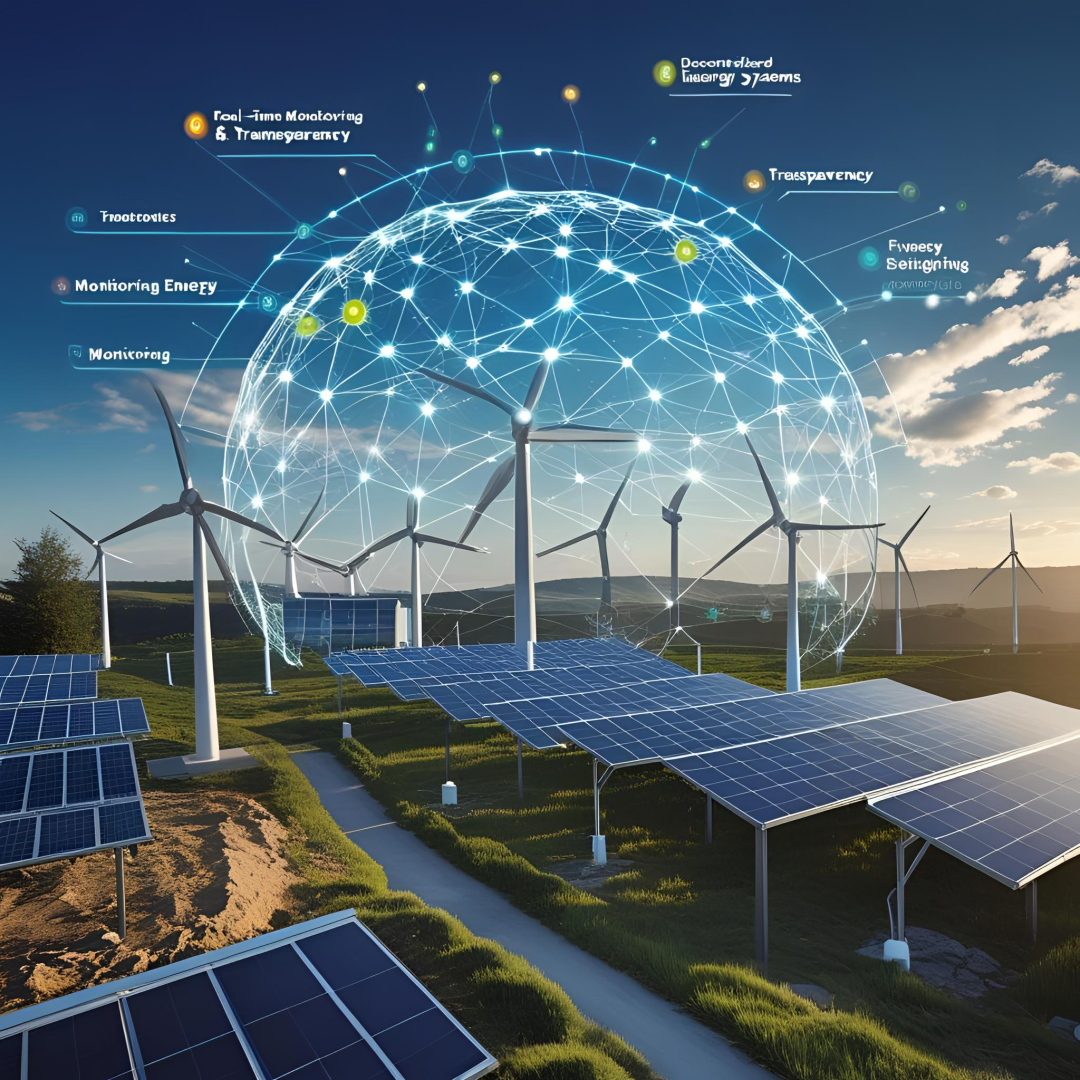
As decentralized energy networks evolve, the need for robust, transparent, and real-time monitoring infrastructure becomes paramount. Traditional systems often suffer from data latency, limited visibility, and opaque transaction records. The integration of blockchain and IoT enables real-time data acquisition, verifiable logging of energy production and consumption, and transparent peer-to-peer trading. This paper outlines the architecture, benefits, and technical design of the real-time monitoring and transparency framework implemented by AIPCHAIN, which enhances user trust, regulatory compliance, and operational efficiency in distributed energy systems.
1. Introduction
In modern energy ecosystems, especially those leveraging renewables and decentralized generation, visibility into the flow of electricity and the integrity of transactions is critical. However, legacy infrastructure often provides only aggregated or delayed data, leading to inefficiencies, disputes, and limited user engagement.
To overcome these limitations, AIPCHAIN proposes a real-time monitoring framework that utilizes blockchain for data immutability, IoT sensors for precise measurement, and AI-enhanced dashboards for user visibility. Every energy event—generation, consumption, and transaction—is logged in real time and made verifiable through the blockchain, ensuring transparency, security, and user empowerment.
2. System Architecture Overview
2.1 Core Components
| Component | Description |
|---|---|
| Smart Meters | Collect real-time data on energy usage and production at the source. |
| IoT Gateway | Aggregates and encrypts data for blockchain submission. |
| Blockchain Ledger | Stores immutable records of every transaction and energy event. |
| User Dashboard | Visualizes data for consumers, prosumers, and regulators. |
| AI Engine | Analyzes patterns and forecasts anomalies or inefficiencies. |
2.2 Data Flow Model
- Energy is produced or consumed.
- Smart meters capture data in real time (e.g., 5-second intervals).
- Data is validated via oracles and pushed to the blockchain.
- The user dashboard reflects updated metrics and event logs.
- AI tools provide alerts, trends, and optimization suggestions.
3. Features and Functionalities
3.1 Real-Time Monitoring
- Energy usage, production, and trading activities are displayed live.
- Enables responsive decision-making by users and grid operators.
- Supports time-of-use pricing and peak-load management.
3.2 Blockchain-Based Transparency
- Every transaction is timestamped and publicly verifiable.
- Immutable data logs reduce risk of fraud or tampering.
- Regulatory bodies can audit energy behavior without intermediaries.
3.3 User-Facing Dashboard
- Interactive visualization of consumption, generation, pricing, and balances.
- Alerts and reports for anomalies, overspending, or optimal trade times.
- Role-based access for households, businesses, and regulators.
4. Benefits
| Benefit | Impact |
|---|---|
| Trust Building | Users can independently verify activity, reducing dependency. |
| Operational Efficiency | Real-time insights improve load balancing and grid coordination. |
| Data-Driven Trading | Enables dynamic pricing and automated smart contract execution. |
| Regulatory Compliance | Provides auditable trails for legal, tax, and sustainability reports. |
| Fraud Reduction | Immutable records prevent retroactive manipulation or false claims. |

5. Security & Privacy Considerations
- Data Encryption: End-to-end encryption of sensitive data.
- Access Control: Role-based authentication and authorization.
- Anonymization: Personally identifiable data is masked unless consented.
- Compliance: Alignment with GDPR and local data governance laws.
6. Use Cases in AIPCHAIN Ecosystem
- Peer-to-Peer Trading Logs: Each transaction is publicly verifiable.
- Microgrid Operations: Live monitoring of local energy flow.
- Energy Token Issuance: Verified data triggers minting events.
- Grid Congestion Monitoring: AI detects demand spikes in real time.
7. Future Developments
- Integration with edge computing for faster localized processing.
- Federated AI for advanced anomaly detection.
- Cross-platform dashboards: web, mobile, embedded.
- Predictive analytics to support energy planning and risk mitigation.
8. Conclusion
Real-time monitoring and transparency form the foundation of a trustworthy and efficient decentralized energy system. By combining IoT, blockchain, and AI analytics, AIPCHAIN empowers all stakeholders—from individual users to grid operators—with actionable insights and verifiable data. This architecture not only improves performance and accountability but also strengthens the viability of peer-to-peer and tokenized energy markets in the long term.
References
- AIPCHAIN Technical Whitepaper (2025). Real-Time Monitoring in Blockchain-Based Energy Systems.
- IEA Digital Energy Report (2024). Transparency and Security in Next-Gen Power Grids.
- Energy Web Foundation (2023). Blockchain for Grid Integrity and Monitoring.
- IEEE Smart Grid Journal (2024). Distributed Ledger Applications in Energy Data Management.