Abstract
The integration of blockchain and artificial intelligence (AI) into smart grid infrastructure marks a significant leap toward decentralized, transparent, and intelligent energy systems. AIPCHAIN—a next-generation blockchain ecosystem enhanced by AI—enables trustless energy data exchange, real-time optimization, and incentive-driven coordination among distributed grid participants. This paper explores how AIPCHAIN leverages blockchain for immutable energy event tracking and AI for intelligent decision-making, forecasting, and grid balancing. The convergence of these technologies forms the foundation of a resilient, scalable, and autonomous smart grid infrastructure capable of supporting the global clean energy transition.
1. Introduction: The Evolving Role of Smart Grids
Smart grids are digitally enhanced energy networks that monitor, predict, and respond to fluctuations in energy supply and demand. Traditional smart grid implementations, however, remain heavily centralized, limiting trust, transparency, and user autonomy.
AIPCHAIN introduces a new model, integrating:
- Blockchain for immutable and verifiable energy transactions
- AI for autonomous, data-driven optimization
- Tokenization to align market incentives and promote clean energy behaviors
This hybrid architecture ensures transparency, auditability, and system-level intelligence.
2. AIPCHAIN Architecture for Smart Grids
2.1. Blockchain Layer
- Immutable logging of energy generation, consumption, and pricing
- Tamper-proof smart meter data via energy oracles
- Role-based access and compliance through soulbound tokens (SBTs)
2.2. AI Optimization Layer
- Predictive modeling for energy demand and renewable output
- Load forecasting and real-time grid balancing
- Anomaly detection and predictive maintenance insights
2.3. Incentive & Market Layer
- P2P trading powered by smart contracts and automated market makers
- Token rewards for sustainable energy practices
- Dynamic pricing based on AI-driven market signals
3. Blockchain for Trustless Grid Coordination
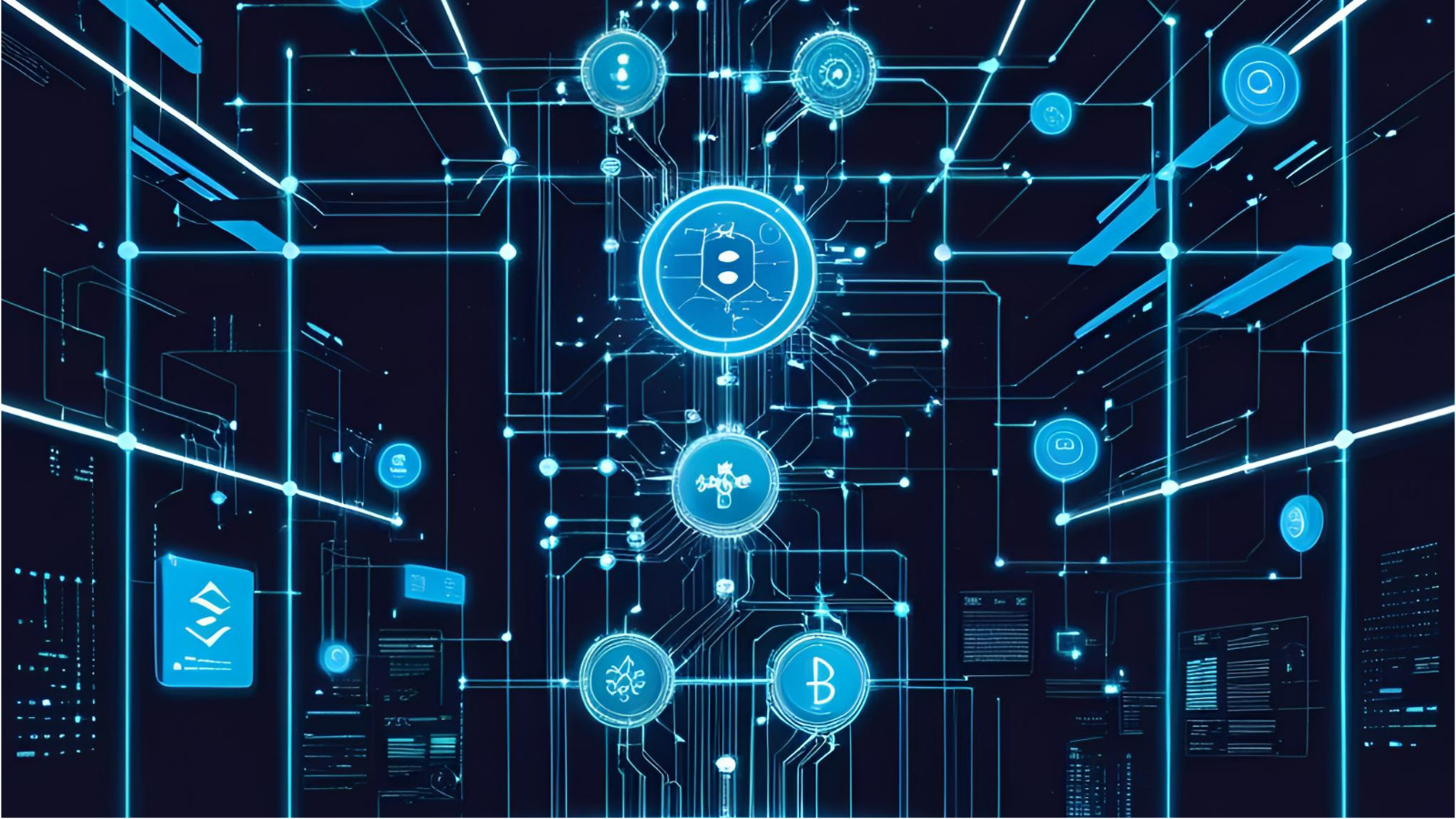
AIPCHAIN's blockchain layer ensures:
- Transparency: All participants can verify transactions without intermediaries
- Auditability: Real-time energy event logs are permanently stored on-chain
- Security: Decentralized validator networks prevent single-point failures
- Compliance: zk-KYC and SBTs allow regulation-friendly participation without compromising privacy
Every kilowatt-hour tokenized includes metadata (time, source, location), forming a transparent and traceable record of energy flow.
4. AI for Real-Time Intelligence in Smart Grids
AIPCHAIN’s AI stack delivers system-wide insights through:
- Forecasting: AI models predict energy generation based on weather data, grid history, and usage patterns
- Dynamic Optimization: Load balancing and storage recommendations adapt to real-time grid needs
- Fault Detection: Machine learning identifies anomalies in device performance or network behavior
- Behavioral Incentives: Reinforcement learning algorithms optimize rewards for prosumer participation
5. Use Cases in AIPCHAIN Smart Grid
| Use Case | Description |
|---|---|
| Decentralized Energy Trading | P2P energy exchanges verified via blockchain smart contracts |
| Load Forecasting | AI-powered short-term and long-term demand predictions |
| Storage Optimization | AI schedules charging/discharging based on predicted surplus/deficit |
| Carbon Tracking | Energy provenance data supports integration with carbon markets |
| Microgrid Coordination | Multiple local grids autonomously manage power flow and resources |
6. Benefits of AI-Blockchain Convergence in Smart Grids
- Autonomy: Self-regulating networks reduce the need for central operators
- Scalability: Modular architecture supports integration across urban and rural systems
- Trust: Transparent on-chain verification builds confidence among stakeholders
- Efficiency: AI ensures optimal usage of energy, storage, and grid infrastructure
- Sustainability: Clean energy behaviors are incentivized and verifiable
7. Challenges and Future Directions
- Interoperability: Seamless integration with legacy grid systems and diverse protocols
- Data Latency: Ensuring real-time responsiveness from blockchain infrastructure
- Regulatory Harmonization: Navigating jurisdiction-specific energy policies
- User Adoption: Educating stakeholders on decentralized tools and their benefits
Future developments will include:
- Cross-chain bridges with other clean tech platforms
- Enhanced federated learning models for local AI agents
- Governance via localized DAOs for regional smart grid management
8. Conclusion
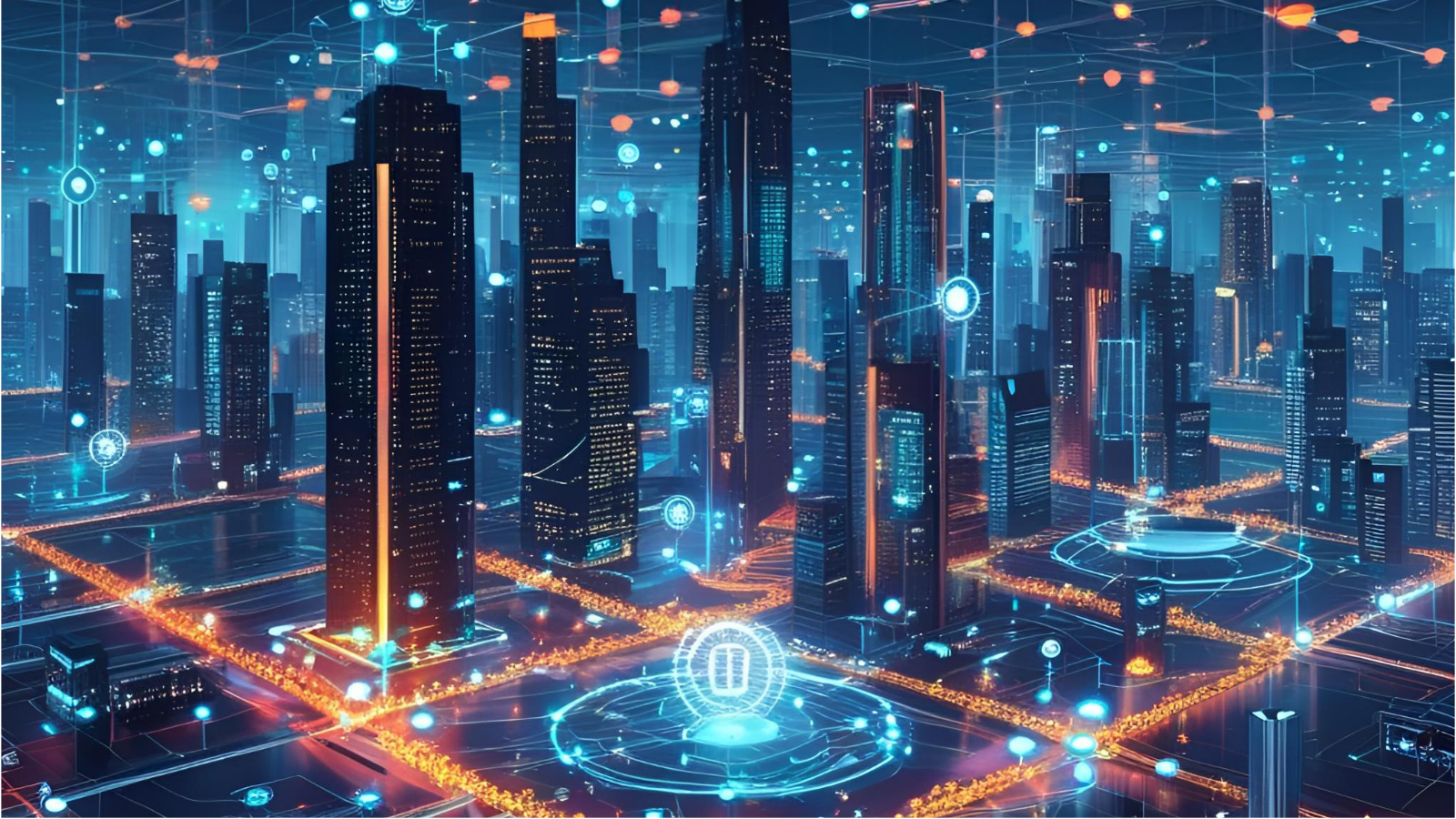
AIPCHAIN’s integration of blockchain and AI provides a robust foundation for the smart grid of the future. By securing energy data and enabling autonomous intelligence, AIPCHAIN creates a system that is not only decentralized and transparent, but also responsive and sustainable. This convergence allows individuals, communities, and institutions to participate directly in energy markets, optimize their usage, and contribute to a resilient and low-carbon energy future.
References
- IEEE (2024). Blockchain Applications in Energy Systems
- IEA (2023). The Future of Smart Grids
- AIPCHAIN Whitepaper (2025)
- MIT Technology Review (2023). AI in Power Distribution
- Chainlink Labs (2024). Oracles in Energy Infrastructure