
Abstract
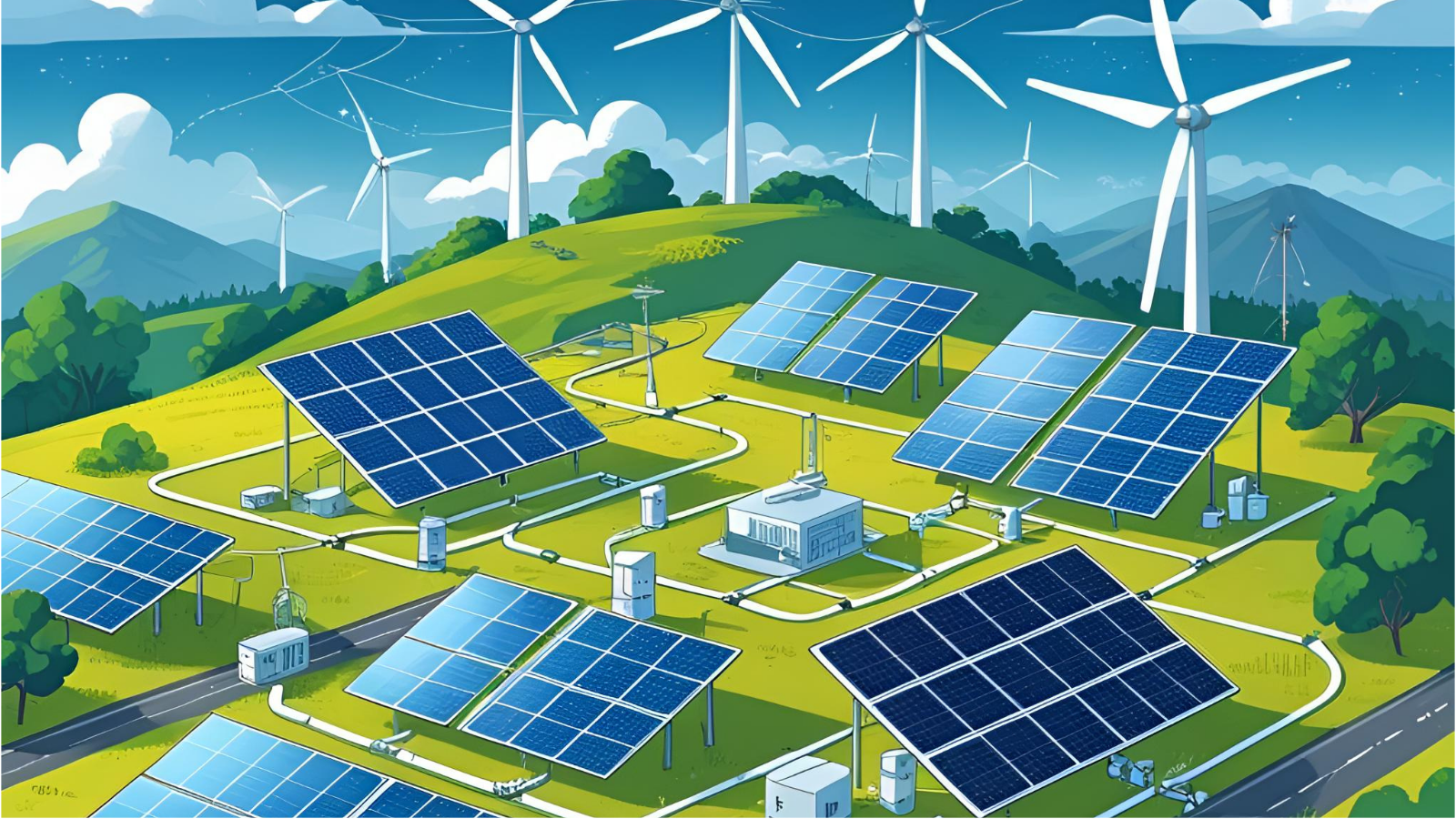
The global shift toward sustainability necessitates a transformation in the way energy is produced, distributed, and consumed. Traditional, centralized grid infrastructure is increasingly unable to meet the demands of a diversified and decarbonized energy future. This paper presents AIPCHAIN’s approach to decentralized renewable energy distribution, leveraging small-scale solar, wind, and hydroelectric systems owned by households and businesses. By integrating these distributed energy resources (DERs) into autonomous microgrids and enabling peer-based energy exchanges, the system significantly reduces pressure on legacy grids, enhances distribution efficiency, and increases energy resilience.
1. Introduction
The traditional electricity grid was designed for one-way energy flow—from large power plants to consumers. However, the proliferation of renewable energy technologies has given rise to distributed generation, wherein energy can be produced at the point of consumption. Despite this, most energy systems remain centralized, creating bottlenecks in distribution, vulnerability to outages, and suboptimal efficiency.
AIPCHAIN’s decentralized model reimagines energy distribution as a peer-coordinated, blockchain-enabled ecosystem, where prosumers (producer-consumers) contribute clean energy into a local or regional network. This approach supports energy autonomy, improves grid resilience, and aligns with global decarbonization targets.
2. Decentralized Energy Architecture
2.1 Distributed Energy Resources (DERs)
Solar PV systems, wind turbines, and micro-hydro installations are integrated into households, commercial buildings, and industrial facilities. These DERs generate renewable electricity close to where it is consumed, reducing transmission losses and enabling localized balancing of supply and demand.
2.2 Autonomous Microgrids
AIPCHAIN supports the development of independent microgrids, which:
- Operate in grid-connected or islanded mode.
- Coordinate energy distribution among a cluster of prosumers and consumers.
- Support blackout resilience and critical infrastructure protection.
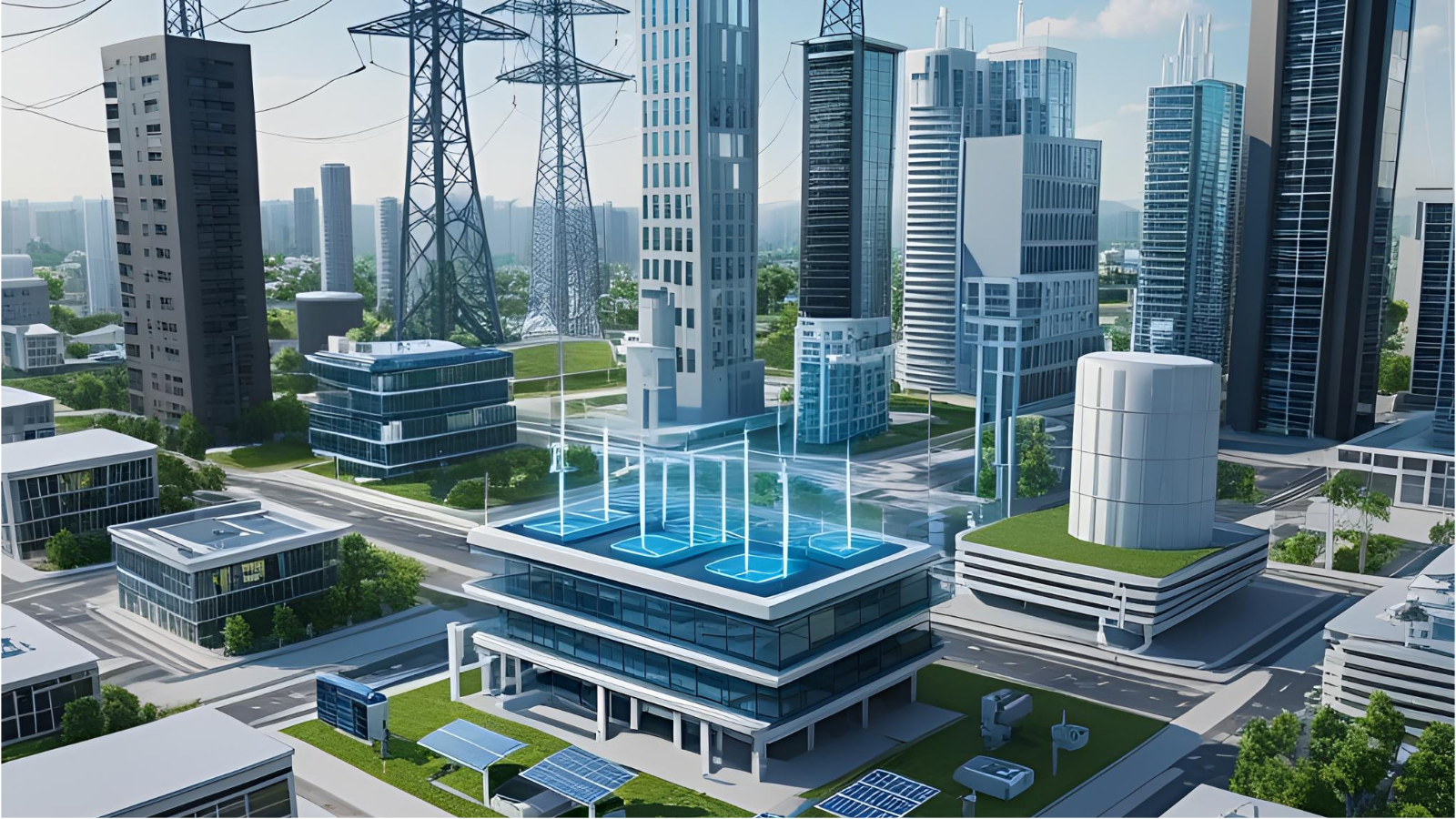
Microgrids are governed by decentralized algorithms that optimize power flow and ensure stability without centralized intervention.
3. Blockchain Integration for Coordination
3.1 Smart Contracts for Energy Sharing
Smart contracts automate the governance of energy exchanges, enforce trading rules, and facilitate real-time settlements among participants in the microgrid. These contracts can:
- Prioritize clean energy transactions.
- Set dynamic tariffs based on real-time supply/demand conditions.
- Trigger automated balancing protocols.
3.2 Tokenized Incentives
Participants are rewarded with AIPCHAIN energy tokens for contributing surplus renewable energy. These tokens can be used for:
- Offsetting future energy consumption.
- Participating in peer-to-peer trading markets.
- Exchanging for other services within the AIPCHAIN ecosystem.
4. Grid Efficiency and Load Management
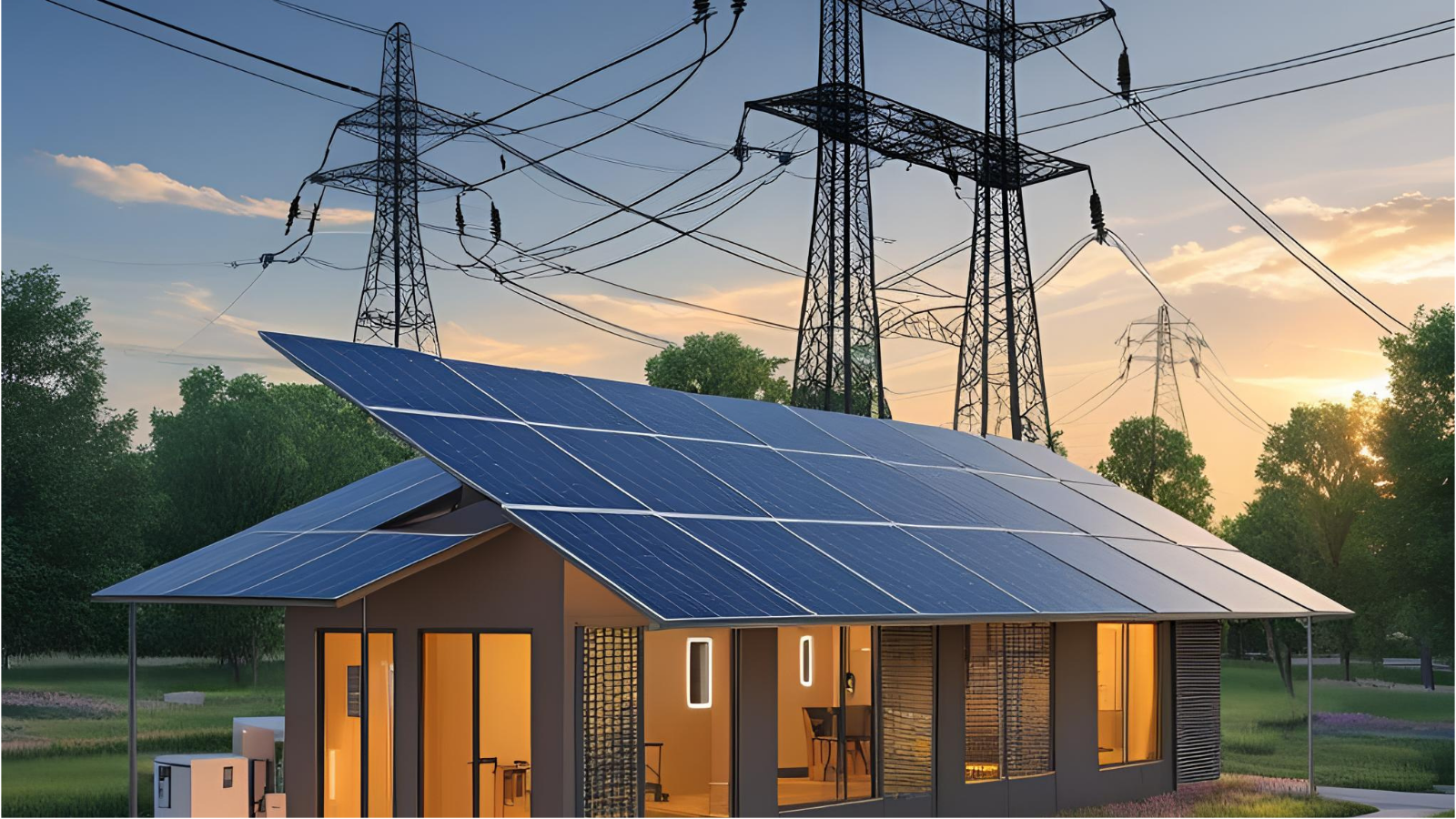
Decentralized distribution significantly alleviates pressure on central grid infrastructure. Key benefits include:
- Load Shaving: Local generation reduces peak demand on the main grid.
- Reduced Transmission Losses: Shorter distances from generation to load increase efficiency.
- Autonomous Load Balancing: Local control algorithms dynamically adjust consumption and generation.
5. Case Study: Community-Scale Solar + Storage Networks
In rural and peri-urban regions, AIPCHAIN has piloted decentralized energy distribution models with the following structure:
- 50+ households equipped with solar panels and lithium-ion battery storage.
- A community-managed microgrid enabled by blockchain coordination.
- Real-time energy trading and surplus redistribution through smart contracts.
Results have shown up to 30% reduction in grid reliance, increased energy autonomy, and enhanced resilience during outages.
6. Regulatory and Technical Challenges
To scale decentralized renewable energy systems, AIPCHAIN is addressing:
- Interconnection Standards: Ensuring DERs can integrate safely with existing grid protocols.
- Regulatory Compliance: Working with authorities to develop frameworks for prosumer markets.
- Data Privacy & Security: Employing cryptographic methods to protect user data while enabling transparency and auditability.
The project emphasizes interoperability, compliance, and scalability to ensure long-term adoption.
7. Conclusion
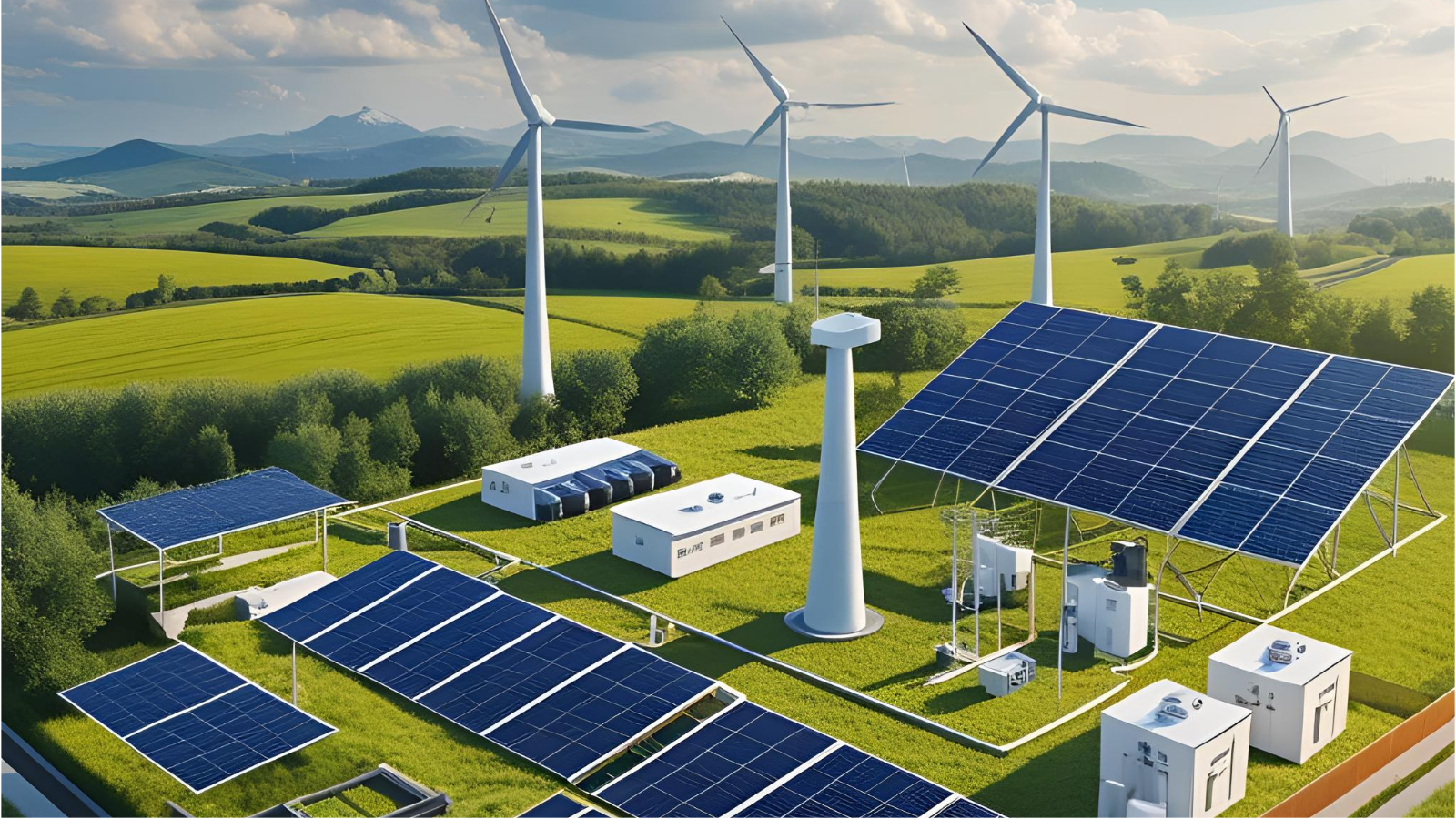
Decentralized renewable energy distribution, as developed by AIPCHAIN, marks a transformative shift in global energy systems. By leveraging household- and business-owned renewable assets, smart microgrids, and blockchain-enabled coordination, the platform facilitates cleaner, more efficient, and resilient power distribution. This model not only accelerates the transition toward sustainable energy but also democratizes access to energy markets and fosters community-level energy independence.
References
- IRENA (2023). Innovation Landscape for a Renewable-Powered Future.
- Liu, Z., & Wang, Y. (2024). Blockchain-Enabled Microgrids: Coordination and Trading Strategies. IEEE Transactions on Smart Grid.
- Energy Web Foundation (2023). Decentralized Energy Systems and Token Economics.
- AIPCHAIN Research Team (2025). Internal Technical Whitepaper on Microgrid Integration and Energy Tokenization.