
Abstract
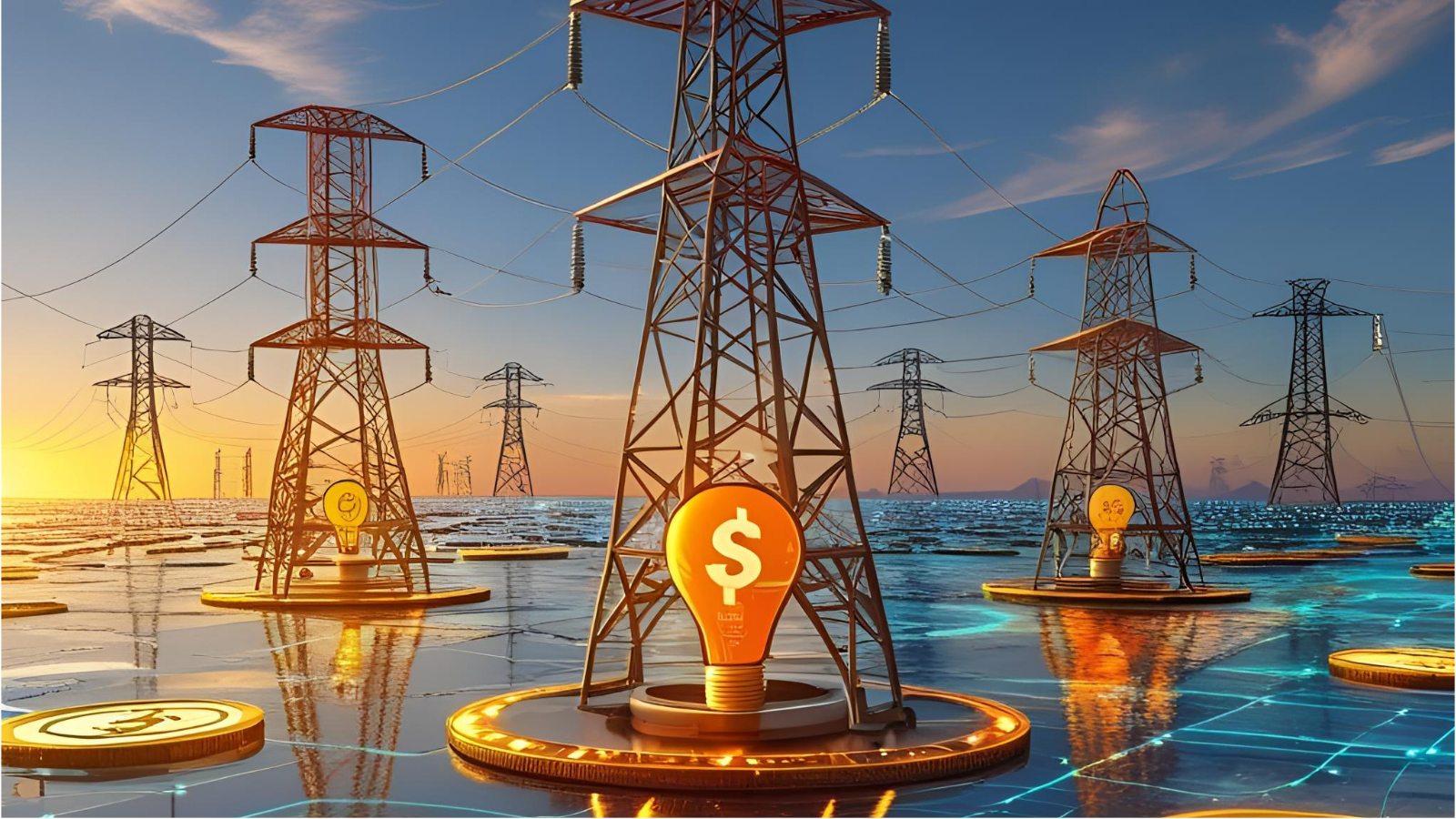
Traditional electricity markets rely heavily on centralized utilities and intermediaries to manage energy distribution and pricing. This centralized architecture introduces inefficiencies, high costs, and lack of transparency. AIPCHAIN introduces a peer-to-peer (P2P) energy trading solution that empowers individuals and businesses to buy and sell electricity directly through a decentralized platform, eliminating the need for third-party intermediaries. This solution leverages smart contracts, tokenized payments, and blockchain infrastructure to enable secure, automated, and transparent energy exchanges in real-time.
1. Introduction
The emergence of distributed energy resources (DERs), such as rooftop solar panels and small-scale wind turbines, has shifted the energy landscape from centralized generation to localized, prosumer-driven ecosystems. However, existing grid and market structures remain centralized, impeding direct energy transactions between users.
AIPCHAIN’s P2P Energy Trading Solution addresses this gap by allowing consumers and prosumers to trade energy locally and autonomously. The solution fosters energy democratization, supports renewable integration, and contributes to decarbonization goals.
2. Core Components of the P2P Trading System
2.1 Decentralized Marketplace
The platform operates as a decentralized energy marketplace where users can post buy/sell orders for electricity. This system:
- Requires no centralized utility or broker to match and validate transactions.
- Enables dynamic, real-time pricing based on local supply and demand.
- Facilitates community-based microgrid trading.
2.2 Smart Contract Execution
All transactions are managed by smart contracts deployed on the AIPCHAIN blockchain, which:
- Automatically match orders and settle trades.
- Enforce predefined terms (price, volume, timeframe) without human intervention.
- Ensure trustless execution and immutability of trading records.
2.3 Tokenized Energy Payments
Energy is traded using AIPCHAIN tokens as the medium of exchange. This enables:
- Instant settlement without reliance on fiat systems or banks.
- Programmable incentives for renewable energy or off-peak usage.
- Integration with carbon credits and energy-as-a-service models.
3. Benefits of the P2P Trading Model
| Benefit | Description |
|---|---|
| Cost Efficiency | Eliminates third-party markups and administrative overhead. |
| User Empowerment | Gives individuals direct control over energy pricing and transactions. |
| Transparency & Trust | All trades recorded on an immutable blockchain ledger. |
| Scalability | Modular architecture supports regional and national deployment. |
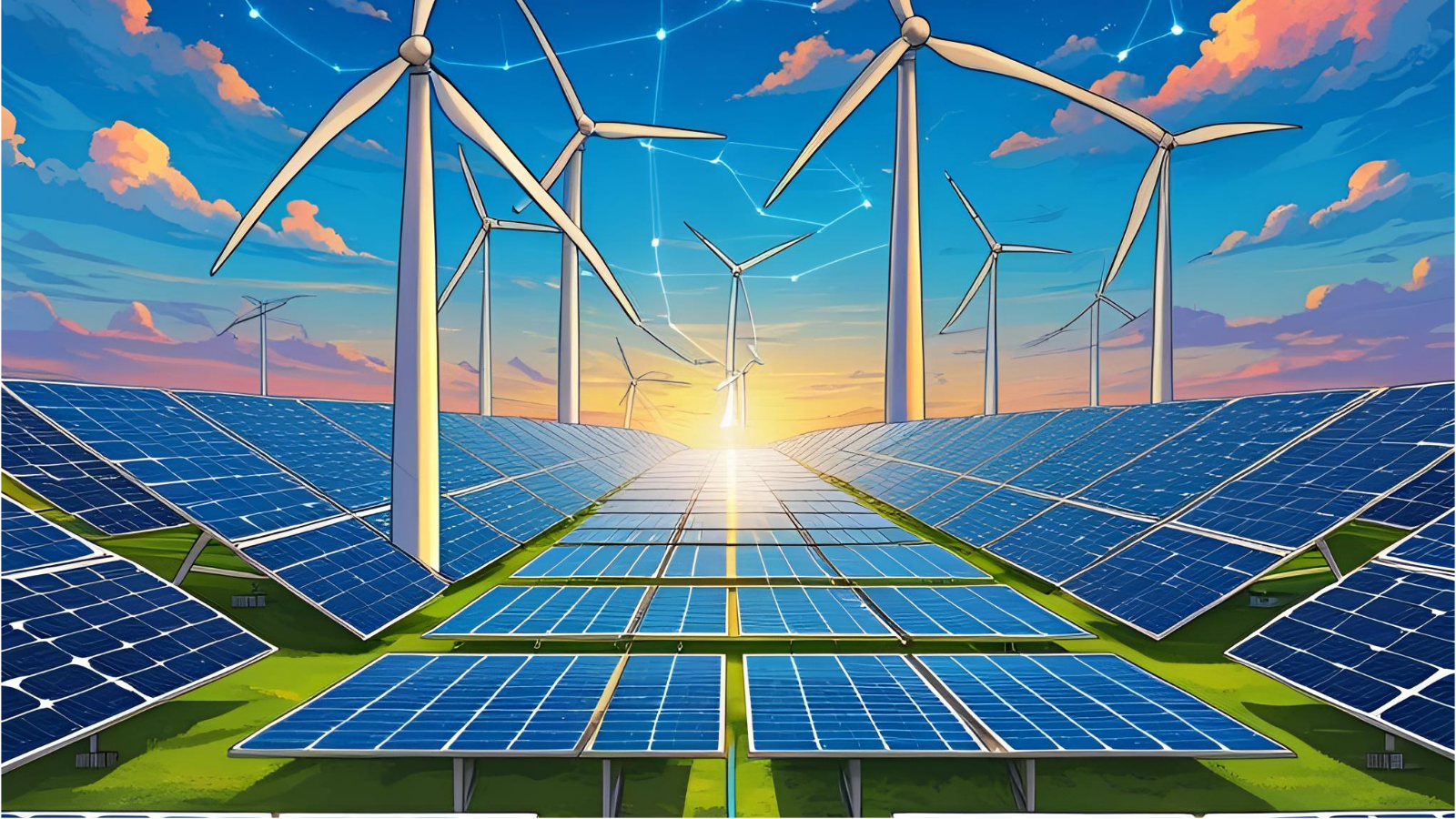
| Sustainability | Encourages local renewable energy production and consumption. |

4. Regulatory Considerations and Market Integration
While decentralized energy trading introduces technical and economic advantages, regulatory compliance is essential. AIPCHAIN’s platform is designed to:
- Align with local energy trading laws and smart grid regulations.
- Support KYC/AML protocols and grid operator integration.
- Provide auditable transaction logs for regulators and operators.
Pilot projects can be launched in energy innovation zones or regulatory sandboxes for real-world testing and feedback.
5. Technical Architecture
The AIPCHAIN system integrates:
- Blockchain Ledger: Stores transactions in a secure and transparent manner.
- Smart Contract Layer: Manages trade logic and automation.
- Token Module: Handles wallets and token-based payments.
- IoT Integration: Collects real-time data from smart meters and energy devices.

6. Case Application: Residential and Commercial Prosumer Networks
Practical applications of AIPCHAIN's P2P solution include:
- Residential prosumers selling excess solar energy to neighbors.
- Small businesses purchasing electricity at competitive local prices.
- Community microgrids autonomously balancing supply and demand internally.
Every transaction is validated on-chain and settled using AIPCHAIN tokens.
7. Conclusion
AIPCHAIN’s P2P energy trading platform offers a paradigm shift in energy distribution by replacing centralized intermediaries with secure, user-driven digital infrastructure. It empowers communities, fosters renewable adoption, and builds a resilient, decentralized energy future.
References
- Zhang, Y., & Lam, J. (2023). Decentralized Trading Platforms for Smart Grids: A Review. IEEE Access.
- Müller, J., & Perez, A. (2024). Token-Based Energy Settlements in Blockchain Energy Systems. Journal of Energy Informatics.
- Energy Web Foundation. (2023). Blockchain-Based Energy Market Architectures and Use Cases.
- AIPCHAIN Technical Documentation. (2025). Internal Whitepaper on Smart Contract Energy Markets.