
Abstract
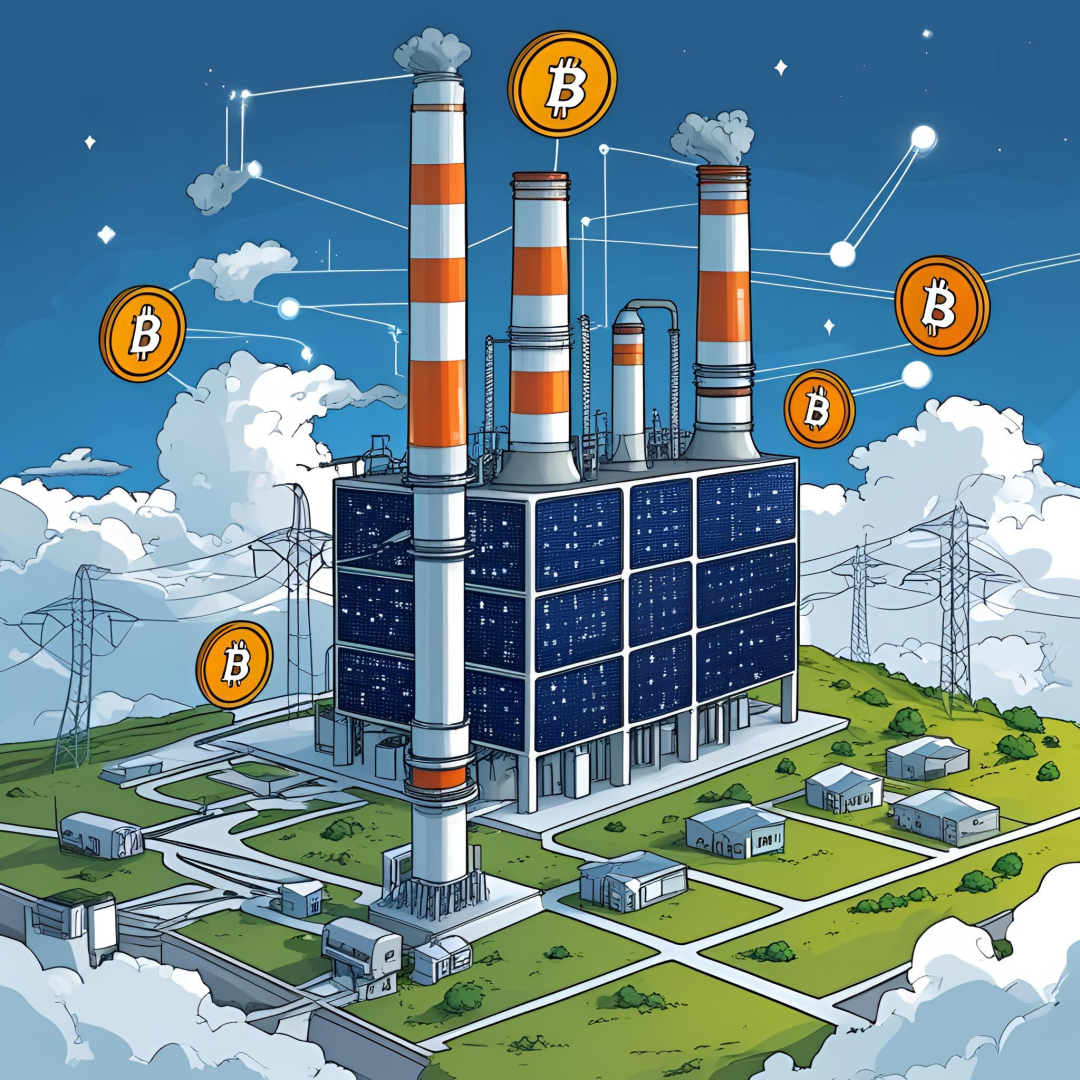
As the global energy system evolves towards decentralization, digitalization, and sustainability, the concept of energy as a digital asset has emerged as a transformative innovation. Tokenization of energy—the process of representing units of electricity (e.g., kilowatt-hours) as blockchain-based digital tokens—enables seamless, secure, and programmable exchange of energy across distributed networks. This paper explores the architectural model and implementation strategy adopted by AIPCHAIN to tokenize energy units on a blockchain infrastructure, enabling peer-to-peer trading, storage, and integration with decentralized finance (DeFi) protocols.
1. Introduction
The conventional energy market treats electricity as a metered commodity, sold and consumed through centralized utilities. This model limits flexibility, transparency, and inclusion. In contrast, tokenizing energy transforms electricity into a digital, tradable asset, opening up dynamic pricing, microtransactions, and programmable automation.
AIPCHAIN proposes a blockchain-native infrastructure where each energy unit is represented as a cryptographic token—verifiable, divisible, and transferable across distributed systems.
2. Conceptual Framework
2.1 What Is Energy Tokenization?
Energy tokenization maps a physical energy unit (e.g., 1 kWh) to a unique, tamper-proof digital token issued on a blockchain. Each token contains metadata:
- Source of generation (solar, wind, hydro)
- Timestamp and geolocation
- Carbon footprint or green certificate
- Ownership and transaction history
This creates a standardized unit of value that can be exchanged like a financial asset while preserving energy-specific attributes.
2.2 Token Standards and Compliance
AIPCHAIN implements ERC-20-compatible tokens to ensure interoperability with DeFi ecosystems. Smart contracts govern issuance, transfers, and compliance:
- Integration with IoT smart meters
- KYC/AML enforcement
- Carbon tracking metadata
- Renewable energy certificate (REC) embedding

3. Architecture and System Design
3.1 Token Issuance Pipeline
- Measurement: IoT devices collect verified energy production data.
- Validation: Oracles confirm energy origin and quantity.
- Token Minting: Smart contract mints tokens to the producer’s wallet.
- Marketplace Entry: Tokens become tradable assets.
3.2 Smart Contract Layer
- Peer-to-peer transfers and automated settlements
- Programmable incentives for clean energy
- Integration with storage systems and VPPs
- Redemption for physical electricity at usage point

4. Use Cases and Market Applications
| Use Case | Description |
|---|---|
| P2P Energy Trading | Buy and sell energy tokens directly without intermediaries. |
| Energy Storage Monetization | Store and tokenize energy for resale or delayed consumption. |
| Cross-Border Energy Transfer | Facilitate international renewable energy exchanges. |
| Carbon Accounting | Link tokens to carbon credits and sustainability reporting. |
| DeFi Integration | Stake, lend, or use energy tokens as collateral in DeFi protocols. |
5. Benefits of Energy Tokenization
- Liquidity: Turn electricity into market-tradable digital assets.
- Transparency: Blockchain records ensure auditability.
- Decentralization: Empower prosumers and microgrid operators.
- Interoperability: Connect with finance and energy platforms.
- Sustainability: Reward clean energy generation.

6. Challenges and Considerations
- Regulatory compliance across energy and financial jurisdictions
- Synchronizing token supply with physical energy availability
- Managing volatility in energy token valuation
- Cybersecurity and smart contract integrity
- Scalability across diverse regions and market sizes
AIPCHAIN addresses these via secure oracles, hybrid governance models, and strategic integration with energy operators and DeFi platforms.
7. Conclusion
Tokenization of energy redefines how electricity is valued, transferred, and monetized. By transforming kilowatt-hours into programmable, composable tokens, AIPCHAIN unlocks new models for distributed trading, renewable incentives, and digital finance.
As the energy economy evolves, tokenized assets will become a key driver of flexibility, resilience, and equity in both local grids and global energy markets.
References
- IEA (2024). Digitalization and Tokenization in Energy Markets.
- Energy Web Foundation (2023). Blockchain Solutions for Renewable Energy Trading.
- AIPCHAIN Technical Whitepaper (2025). Tokenization Framework and Smart Contract Design.
- Verhaegh, S. et al. (2023). Tokenized Energy Systems: Opportunities and Challenges. IEEE Smart Grid Journal.