
Abstract
As the global energy sector transitions toward decentralized and sustainable paradigms, AIPCHAIN announces the launch of its pilot deployment in Brazil — a country rich in renewable energy resources yet challenged by regional energy inequalities. This pilot project aims to validate the core components of AIPCHAIN’s blockchain-based energy infrastructure in real-world conditions, setting the foundation for a scalable decentralized energy economy. The Brazil pilot phase is not merely a testbed, but a strategic move to empower local communities through peer-to-peer trading, microgrid integration, and transparent digital energy markets.
1. Introduction
The global energy landscape is undergoing a radical transformation. Traditional centralized grid models are increasingly unsustainable in the face of climate change, infrastructure inefficiencies, and rising demand. AIPCHAIN offers a decentralized digital platform that leverages blockchain, artificial intelligence (AI), and IoT-based infrastructure to facilitate energy democratization. Brazil’s diverse geography and significant renewable potential make it an ideal environment to initiate the AIPCHAIN pilot.
2. Why Brazil?
2.1 Renewable Energy Abundance
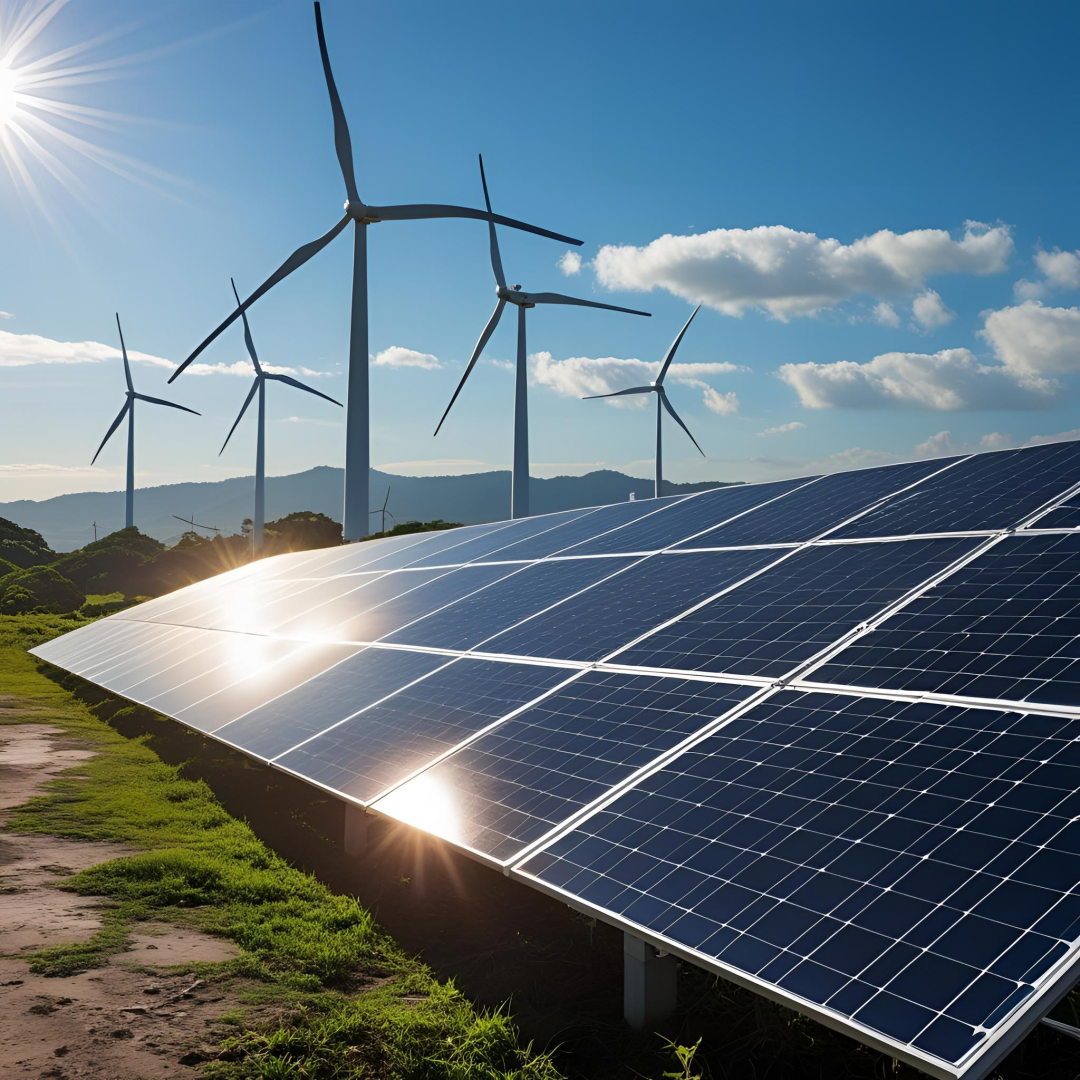
Brazil is a global leader in renewable energy, with over 80% of its electricity generated from hydropower, solar, wind, and biomass. Regions like Minas Gerais, Ceará, and Bahia offer significant solar and wind potential, ideal for decentralized energy generation at household and community levels.
2.2 Energy Inequality and Rural Opportunity
Despite its energy abundance, Brazil faces structural energy disparities in rural and northern regions, where millions lack reliable access to power. These underserved zones represent viable deployment areas for blockchain-powered microgrids, where energy can be locally generated, traded, and consumed.

3. Scope of the Pilot Project
3.1 Target Location: Northeastern Brazil – Ceará
AIPCHAIN’s initial implementation will be conducted in select districts in Ceará, a state with abundant solar resources, strong regional development incentives, and cooperative local governance. The pilot will cover:
- Installation of smart meters and IoT gateways
- Formation of peer-to-peer trading networks
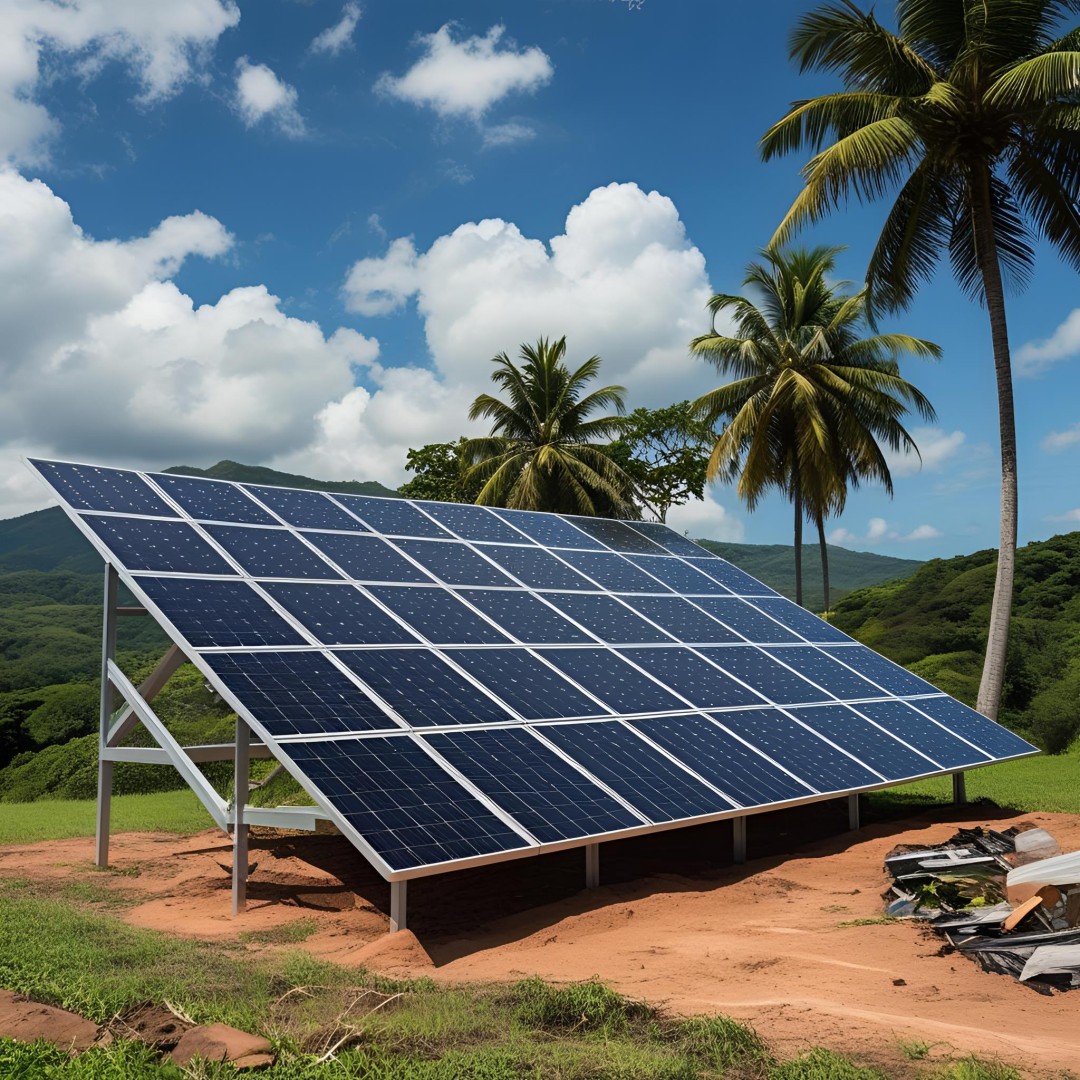
- Deployment of solar microgrids
- Integration with AIPCHAIN’s token-based settlement system
3.2 Local Stakeholder Engagement
Partnerships with local cooperatives, renewable energy developers, and municipal energy offices will ensure the pilot aligns with community needs and regulatory requirements. This bottom-up strategy enhances adoption, legitimacy, and replicability.
4. Technologies in Use
- Blockchain Layer: Immutable ledger to record all energy transactions and token flows.
- Smart Contracts: Automate energy settlement, carbon credit allocation, and regulatory compliance.
- AI Forecasting Models: Predict demand and supply for dynamic pricing and resource allocation.
- DeFi Integration: Enables energy-backed financial instruments and liquidity access for communities.
5. Expected Impact
| Category | Impact |
|---|---|
| Energy Access | Improved reliability in rural and off-grid communities |
| Economic Empowerment | Households become prosumers and gain new revenue streams |
| Grid Resilience | Localized generation reduces grid stress and outages |
| Environmental Benefits | Incentivizes clean energy generation and reduces emissions |
| Transparency & Security | Blockchain ensures auditability and trust in energy markets |
6. Challenges and Risk Mitigation
- Regulatory Ambiguity: Active engagement with Brazilian authorities and ANEEL.
- Infrastructure Readiness: Deployment of modular IoT kits adaptable to rural environments.
- Digital Literacy: Training programs to equip users with digital energy tools and financial literacy.
7. Long-Term Vision
The Brazil pilot phase is a stepping stone toward broader implementation in Latin America, Africa, and Southeast Asia, where decentralized clean energy can leapfrog centralized infrastructure. The pilot's success will pave the way for integrating carbon credits, ESG metrics, and regional DeFi mechanisms into the energy sector.
Conclusion
By launching its pilot in Brazil, AIPCHAIN positions itself as a key player in shaping the next-generation energy economy. Through cutting-edge technology and a strong emphasis on local empowerment, the project demonstrates how blockchain and AI can deliver not only cleaner energy, but also a more just and inclusive energy system.
References
- Agência Nacional de Energia Elétrica (ANEEL) reports and policy briefs
- International Energy Agency (IEA) – Renewables Market Update: Brazil
- AIPCHAIN Technical Whitepaper (2025)
- United Nations – SDG 7: Affordable and Clean Energy Progress Reports