

Abstract
As Tanzania seeks to expand access to sustainable electricity in rural and peri-urban areas, it faces challenges in tracking, managing, and optimizing the deployment of decentralized renewable energy resources. The integration of IoT (Internet of Things) devices and blockchain infrastructure by AIPCHAIN introduces a transformative approach to clean energy mapping and asset management. Through real-time data acquisition and tamper-proof recording, this initiative enables enhanced visibility, traceability, and accountability across the clean energy value chain in Tanzania.
1. Introduction
Access to clean, affordable energy is essential for Tanzania's socio-economic development. While the government has made strides in rural electrification, large portions of the country remain underserved. Decentralized solar and wind systems, particularly in off-grid communities, present a viable solution. However, managing thousands of distributed assets across vast terrain poses a logistical and technological challenge. AIPCHAIN addresses this gap through a system that combines IoT-enabled asset tracking, AI-powered analytics, and blockchain-based transparency.
2. Project Location and Deployment Strategy
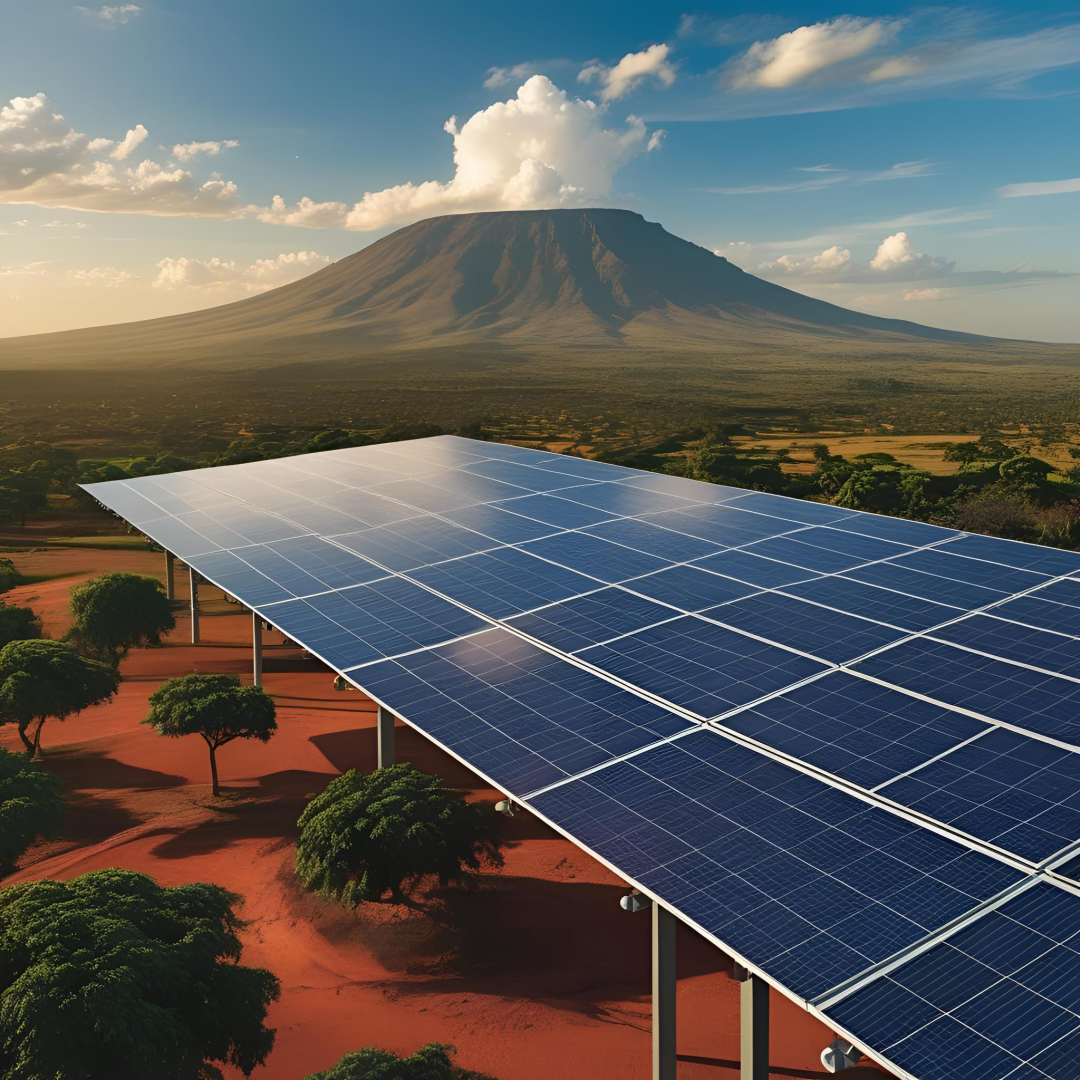
The project is initially deployed in Dodoma and Shinyanga, two regions characterized by high solar potential and limited grid infrastructure. Key project activities include:
- Installation of smart IoT meters and sensors at solar panel units, inverters, and battery systems.
- Establishing wireless mesh networks to collect and transmit real-time energy data.
- Onboarding local cooperatives and energy entrepreneurs to use the AIPCHAIN platform.
This phase covers approximately 500 solar energy systems serving over 3,000 households and small businesses.
3. Technical Architecture
The system integrates multiple layers of advanced technology:
- IoT Edge Devices: Capture energy production, consumption, voltage levels, and equipment status.
- AI Analytics Engine: Predicts maintenance needs, detects anomalies, and suggests optimization strategies.
- Blockchain Ledger: Stores immutable records of energy transactions, equipment performance, and service histories.
- Interactive Dashboard: Allows users, operators, and policymakers to view energy flows, map assets, and generate reports.
4. Energy Asset Mapping and Visibility
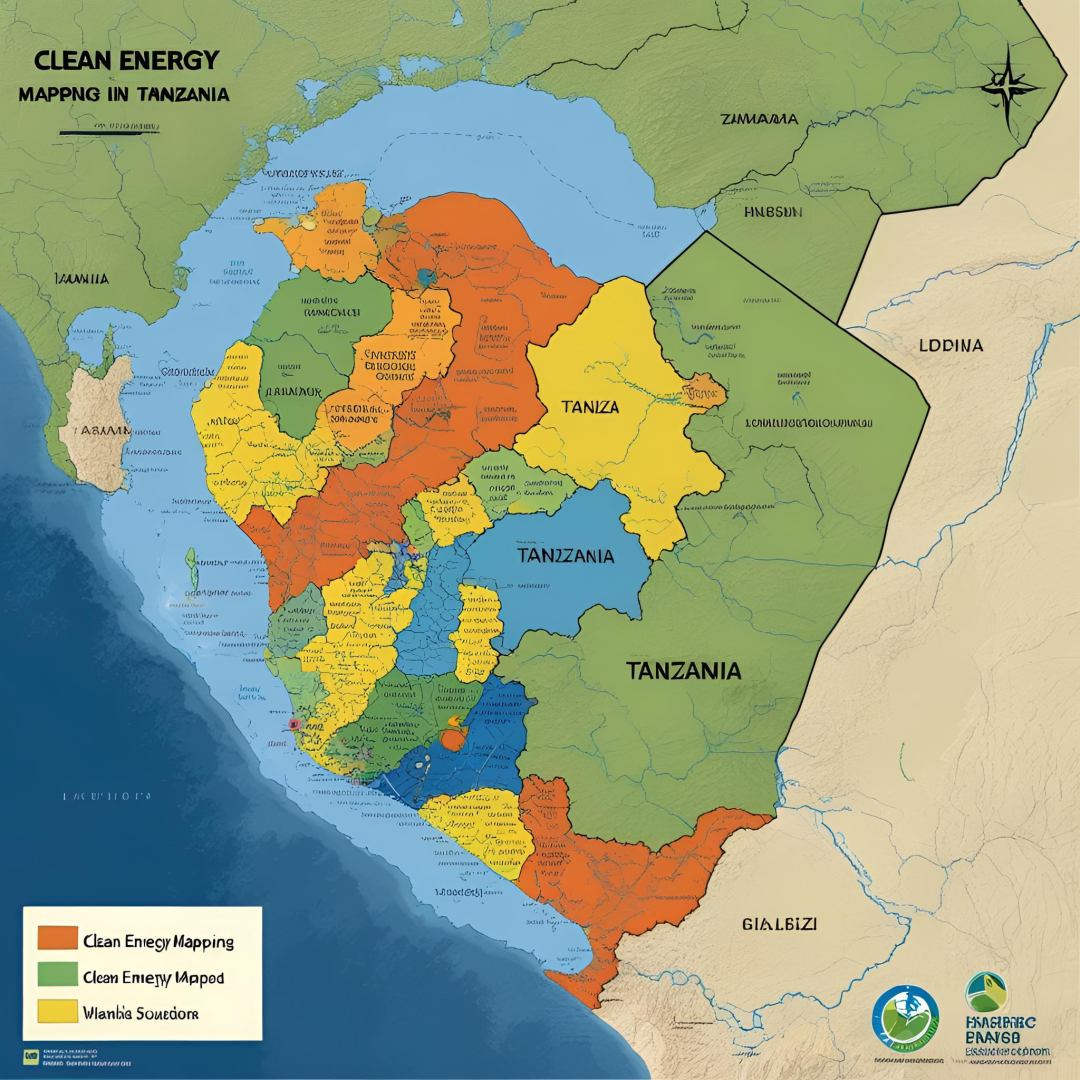
The project creates a dynamic, geospatial map of clean energy assets across the targeted regions, updated in real-time. Benefits include:
- Identification of high-performing and underperforming systems.
- Better planning for maintenance, upgrades, and new deployments.
- Support for national-level clean energy policy and investment decisions.
The open-data model also allows NGOs and academic institutions to access anonymized performance data for research and advocacy.
5. Community Impact
- 🧑🌾Empowerment of local technicians through training in IoT and blockchain maintenance.
- ⚡Increased uptime and reliability of solar systems through predictive maintenance.
- 📊Energy transparency for community microgrid operators and consumers.
- 🌍Support for climate goals by promoting low-carbon infrastructure.
The initiative also fosters energy literacy through mobile interfaces and public dashboards in Swahili.
6. Security and Trust
With sensitive energy data in play, AIPCHAIN ensures robust safeguards:
- End-to-end data encryption between IoT devices and blockchain nodes.
- Zero-knowledge proofs to protect user identities.
- Tamper-proof blockchain logging to guarantee data authenticity and auditability.
7. Roadmap and Scalability
- 2025 Q4: Full deployment in Dodoma and Shinyanga.
- 2026 Q2: Expansion to Arusha and Morogoro regions.
- 2027 onward: Open-source collaboration with Tanzanian government and regional utilities to scale the clean energy map nationwide.
Conclusion
By merging IoT, AI, and blockchain, AIPCHAIN's clean energy mapping project in Tanzania presents a replicable blueprint for digital energy governance in emerging markets. The approach not only improves energy access and operational efficiency but also lays the groundwork for future integration with carbon credit markets, peer-to-peer energy trading, and AI-optimized energy policy.
References
- Ministry of Energy, Tanzania (2023). "Rural Energy Master Plan."
- AIPCHAIN Whitepaper on Decentralized Infrastructure Management (2025).
- UN Sustainable Energy for All (SEforALL) Tracking Report (2024).
- African Energy Outlook – IEA (2024).
- Technical deployment reports from AIPCHAIN-Tanzania field teams (2025).