Introduction: The Critical Shift Toward Sustainable Energy
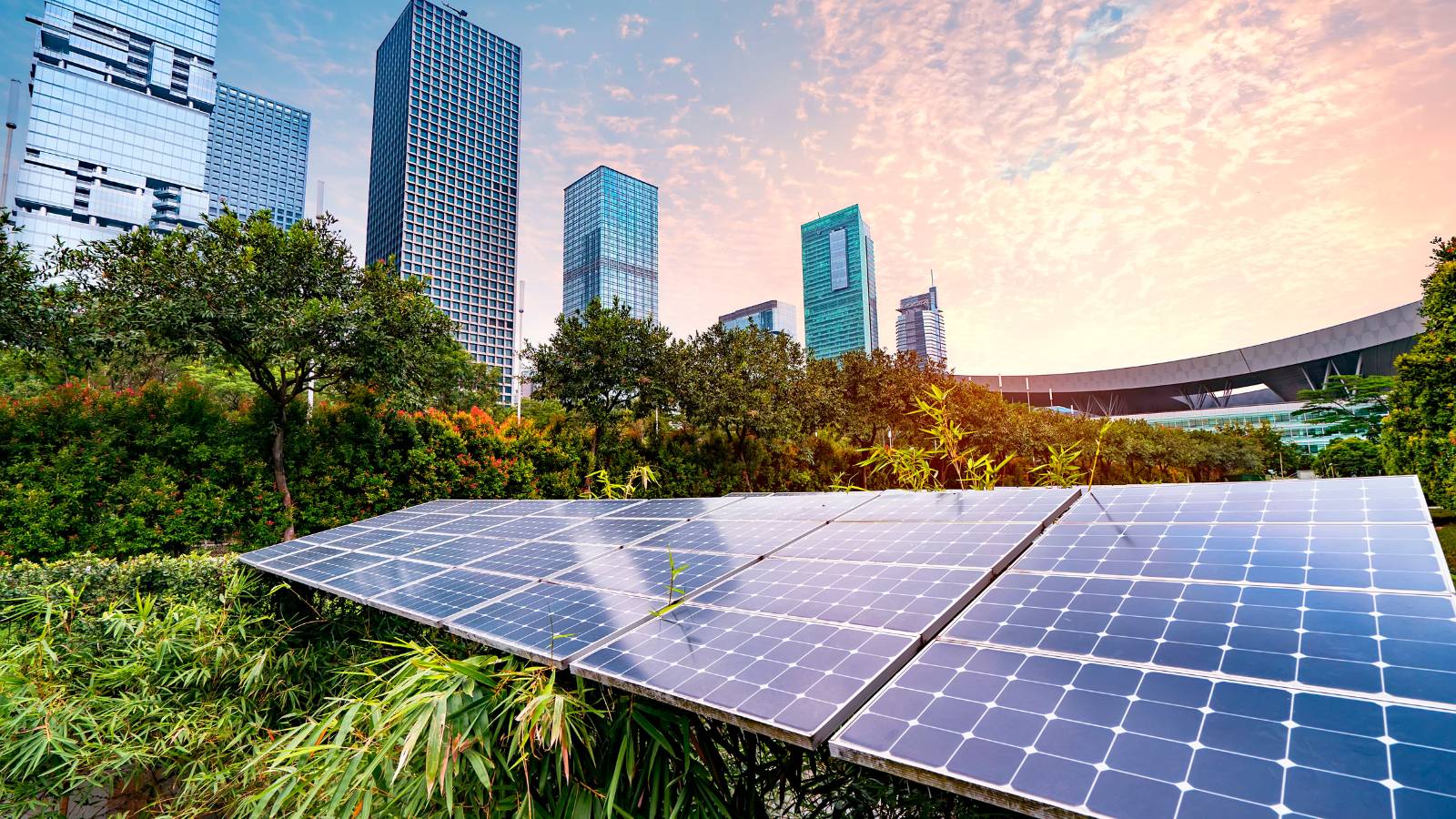
In the era of climate action and decarbonization, the transition to clean and renewable energy sources—such as solar, wind, and hydropower—is no longer optional; it is a global imperative. Yet, a core challenge persists: ensuring traceability and transparency across the renewable energy value chain.
Stakeholders—including regulators, enterprises, and consumers—demand verifiable proof that the energy they use originates from sustainable sources. This demand has spurred the integration of Artificial Intelligence (AI) and Blockchain technologies to create trustworthy, transparent, and efficient clean energy ecosystems.
1. Blockchain: Reinventing Energy Traceability and Data Integrity
Blockchain—a form of Distributed Ledger Technology (DLT)—offers an immutable, decentralized platform that can digitally certify every kilowatt-hour (kWh) of energy from generation to consumption.
Each unit of energy is tagged with a unique digital identifier or token, creating a transparent audit trail. This enables real-time verification of the origin, ownership, and transaction history of renewable energy units. The result is a significant reduction in fraud, misreporting, and double-counting in Green Energy Certificate systems.
📚 Reference: “Blockchain Technology in the Energy Sector: A Systematic Review of the Literature” (Springer, 2020)
Blockchain improves data integrity in energy markets, enhancing trust among producers, grid operators, and consumers.
2. Artificial Intelligence: Enabling Predictive Optimization of Energy Systems
While blockchain secures data authenticity, AI optimizes the performance of energy systems across production, distribution, and consumption layers. By leveraging Machine Learning (ML) and Predictive Analytics, AI-driven platforms can:
- Forecast energy demand using historical data and weather modeling.
- Optimize battery storage and grid balancing for intermittent energy sources.
- Enhance load forecasting and fault detection in real-time.
AI-powered Energy Management Systems (EMS) continuously analyze grid dynamics and recommend actionable interventions to improve energy efficiency, demand response, and resource allocation.
📚 Reference: “Artificial Intelligence in Renewable Energy Systems: A Review” (IEEE, 2020)
AI significantly boosts grid reliability and supports seamless integration of variable renewable energy sources.
3. AIPCHAIN: Merging Blockchain and AI for End-to-End Energy Intelligence
AIPCHAIN is a next-generation platform that fuses Blockchain's transparency with AI's intelligence to deliver end-to-end traceability and optimization for renewable energy.
Key Capabilities:
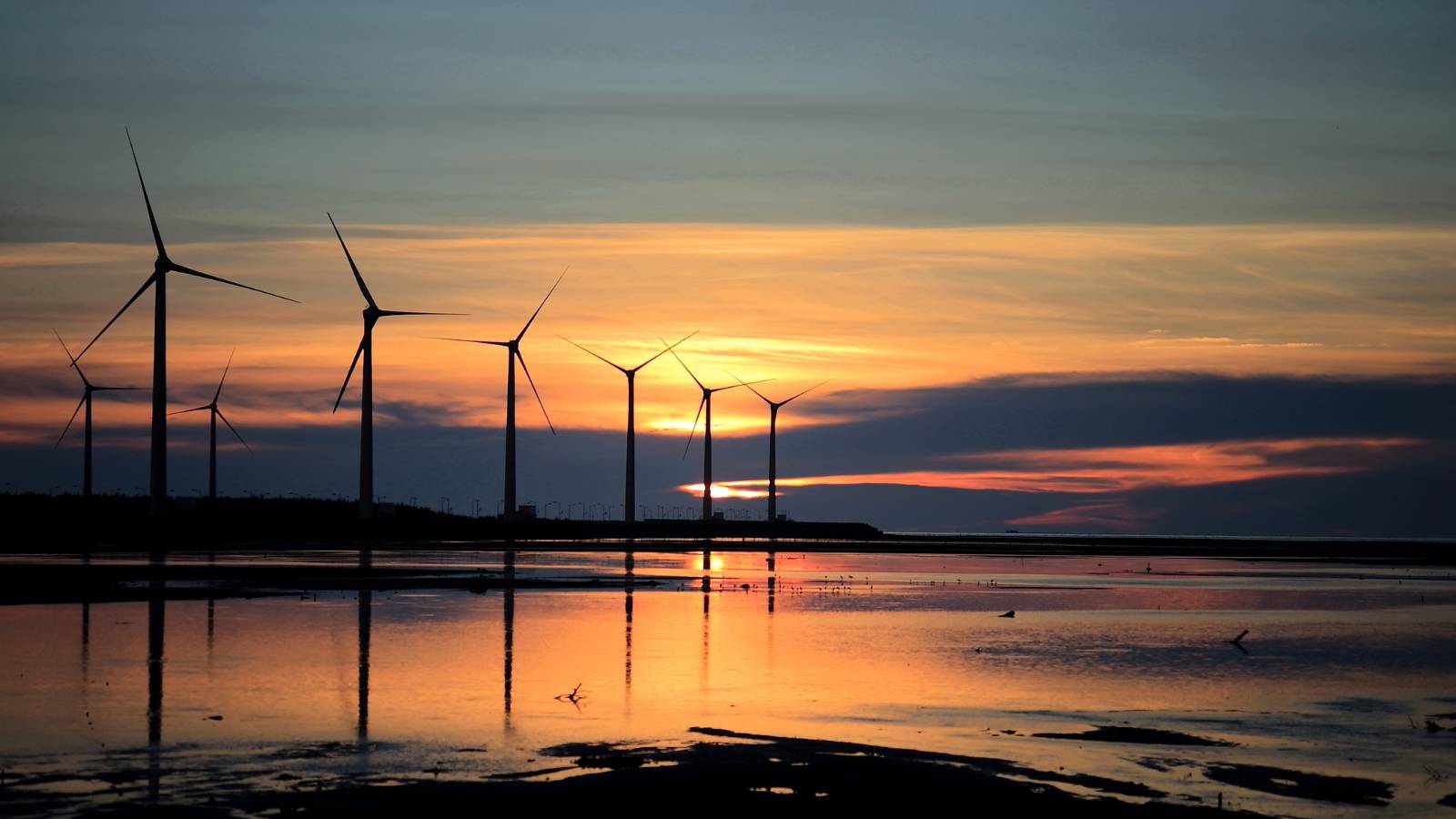
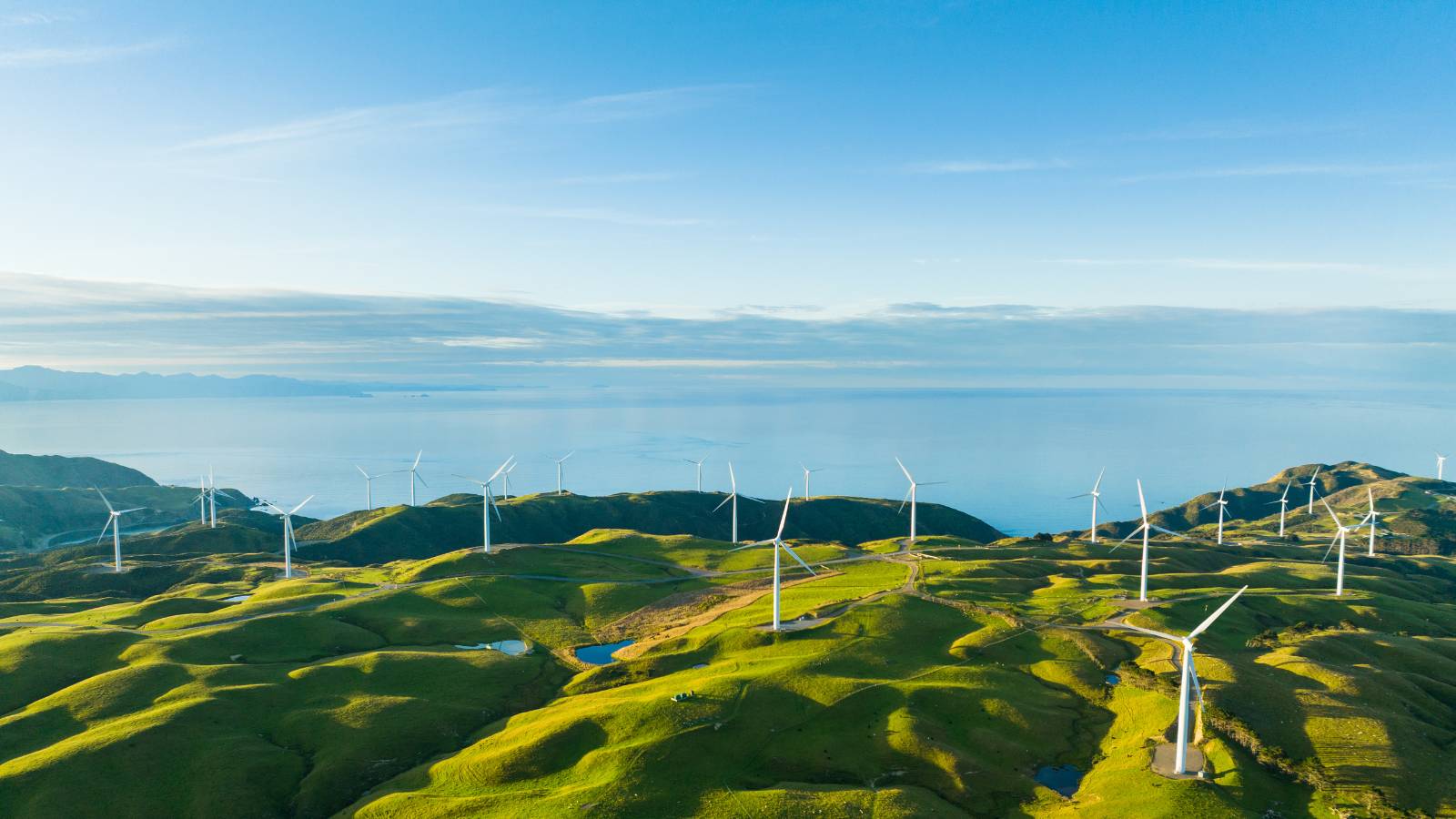
- Blockchain Layer: Verifies the provenance of energy sources (e.g., solar, wind, hydro), authenticates digital energy certificates, and enables decentralized energy trading.
- AI Layer: Analyzes usage patterns, predicts peak demand, and dynamically allocates resources to balance supply and demand in real time.
By integrating these technologies, AIPCHAIN empowers utilities, microgrid operators, and consumers with verifiable sustainability metrics while optimizing operational efficiency.
4. The Future of Energy: Decentralization, Digitalization, and Decarbonization
The convergence of AI and Blockchain is unlocking transformative potential in the renewable energy landscape. Future applications include:
- Peer-to-Peer (P2P) Energy Trading: Enabled by smart contracts on blockchain, allowing prosumers to trade surplus energy in real time.
- Automated Carbon Credit Verification: AI algorithms validate energy origination, enabling automated issuance and trading of carbon offsets and Renewable Energy Certificates (RECs).
- Resilient Smart Grids: AI-integrated grids powered by blockchain can self-optimize, isolate faults, and withstand cyber threats with minimal human intervention.
🌍 These advancements support the 3Ds of Energy Transition: Decentralization, Digitalization, and Decarbonization.
Conclusion: Building a Transparent and Intelligent Clean Energy Future
The synergy between AI and Blockchain is revolutionizing how we generate, distribute, and consume renewable energy. By delivering verifiable traceability, enhanced efficiency, and automated compliance, platforms like AIPCHAIN are setting new benchmarks for sustainable energy infrastructure.
As global economies accelerate their shift toward Net Zero, the integration of these cutting-edge technologies will be essential for realizing the full potential of the clean energy revolution.
References
- IEEE. Artificial Intelligence in Renewable Energy Systems: A Review, 2020.
- Springer. Blockchain Technology in the Energy Sector: A Systematic Review of the Literature, 2020.
- IEEE. Blockchain for Clean Energy Systems: A Review, 2020.