

1. Introduction: The Case for Energy Tokenization
Conventional energy markets are characterized by limited flexibility, opaque real-time data, and restricted economic inclusion. Dominated by centralized entities, these markets impose off-chain control over pricing, access, and incentives, often resulting in inefficiencies and slow bureaucratic processes.
Energy tokenization—the process of representing energy units (e.g., kilowatt-hours) as digital tokens on a blockchain—addresses these issues by:
- Digitizing energy units into verifiable, tradable digital assets
- Enabling microtransactions and cross-border energy trading
- Introducing programmable incentives to promote renewable generation and efficient consumption
AIPCHAIN implements this model within a trustless, AI-augmented blockchain infrastructure, enabling real-time, automated exchange of energy value with enhanced security and efficiency.
2. Tokenization Model in AIPCHAIN
2.1 ENERGY-AS-A-TOKEN (EAAT)
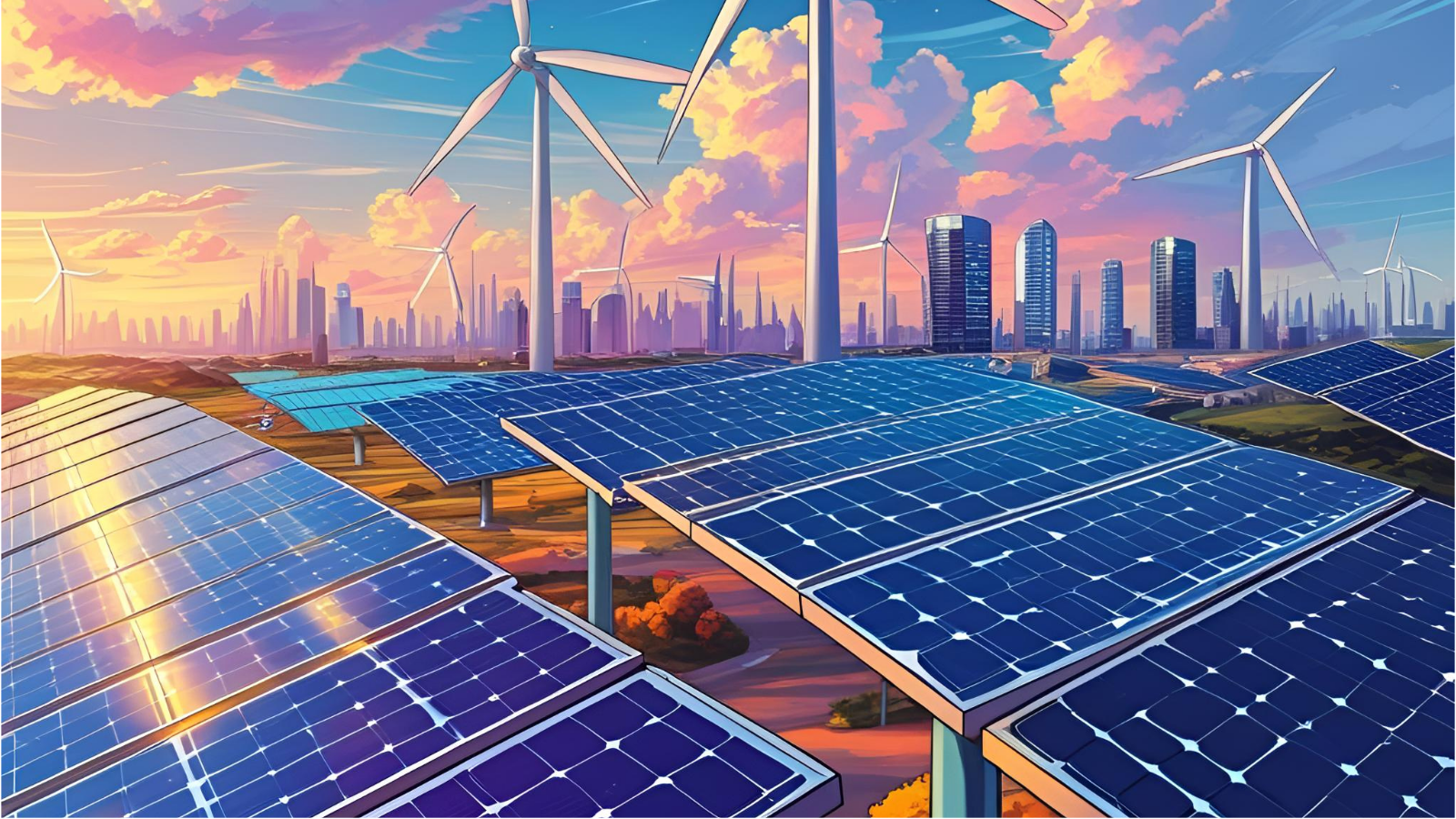
Within AIPCHAIN, energy produced from renewable sources such as solar and wind is tokenized via IoT-enabled smart meters. Each verified energy unit (e.g., 1 kWh) is represented as a tokenized digital asset on-chain, either directly or indirectly backed by the AIP utility token.
Key attributes include:
- Proof-of-Generation: Validation via energy oracles with on-chain timestamping
- Interoperability and Fractionalization: Enables trading of fractional units (e.g., 0.01 kWh)
- Non-fungible Metadata: Encodes source type, location, and generation timestamp
These tokenized assets can be:
- Traded on AIPCHAIN’s decentralized energy exchange (energy DEX)
- Utilized as collateral in energy-backed decentralized finance (DeFi) protocols
- Redeemed for AIP tokens or rights to consume energy
Energy Storage Optimization: Leveraging AI, AIPCHAIN predicts optimal energy storage timing by forecasting generation patterns (e.g., peak solar hours), minimizing waste, and enhancing grid stability.
2.2 AIP TOKEN: Medium of Exchange and Incentive Layer
The AIP token functions as the foundational economic asset within the ecosystem, fulfilling multiple roles:
- Transactional Medium for P2P energy trading
- Collateral Asset for validators, energy nodes, and liquidity providers
- Governance Token empowering holders to vote on protocol upgrades and smart contract modifications
- Incentive Mechanism rewarding green energy producers based on AI-verified environmental impact
Smart contracts autonomously govern:
- Fee distribution among network participants
- Token vesting and reward cycles
- Slashing and penalties to deter dishonest energy reporting
3. Technical Architecture
3.1 On-Chain Verification Layer
AI-augmented energy oracles interface with smart meters to:
- Continuously measure energy production
- Transmit cryptographically signed data via secure oracle networks (e.g., Chainlink, UMA)
- Ensure data integrity, authenticity, and temporal validity
3.2 Settlement & Liquidity Layer
Energy tokens trade through automated market maker (AMM) pools using AIP tokens as the base pair:
- Pricing governed by constant product or bonding curve algorithms
- Facilitates instant on-chain price discovery for energy assets
- Supports cross-market arbitrage, micro-liquidity, and dynamic pricing
3.3 Identity & Compliance Layer
To comply with regulatory frameworks while preserving privacy, AIPCHAIN employs:
- Soulbound Tokens (SBTs) or zero-knowledge proof (zk-KYC) systems for user verification
- Enables role-based access control for prosumers, validators, and institutional buyers
4. AI-Enhanced Incentive Models
AIPCHAIN integrates artificial intelligence to optimize incentive allocation and influence participant behavior, featuring:
- Dynamic staking rewards correlated with verified green energy production
- Reputation scoring powered by reinforcement learning to incentivize consistent, honest reporting
- Predictive pricing models that adapt incentives based on consumption patterns and weather forecasts
- Carbon footprint reduction bonuses validated through partnerships with off-chain carbon tracking entities
This AI-driven incentive engine cultivates a self-regulating, scalable, and sustainability-focused energy ecosystem.
5. Benefits of Energy Tokenization in AIPCHAIN
- Liquidity: Energy assets become tradable with transparent, real-time price discovery
- Transparency: On-chain verification of energy generation, consumption, and incentive distribution
- Programmability: Enables anyone with surplus energy to participate in decentralized energy markets
- Inclusivity: Broadens access to energy trading beyond traditional intermediaries
- Sustainability: Rewards green energy producers based on verifiable environmental impact
6. Challenges and Future Directions
Challenges
- Oracle reliability: Ensuring tamper-proof, accurate metering data
- Grid integration: Harmonizing tokenized energy with legacy grid infrastructures
- Regulatory uncertainty: Navigating diverse jurisdictional energy regulations
- Scalability: Managing high-frequency energy trading at scale
Future Enhancements
- Cross-chain bridges: To interoperate with global carbon markets and broader DeFi ecosystems
- Real-world asset (RWA) integration: Enabling utility-scale renewable energy projects on-chain
- DAO-based governance: Facilitating community-driven management of localized energy markets
7. Conclusion
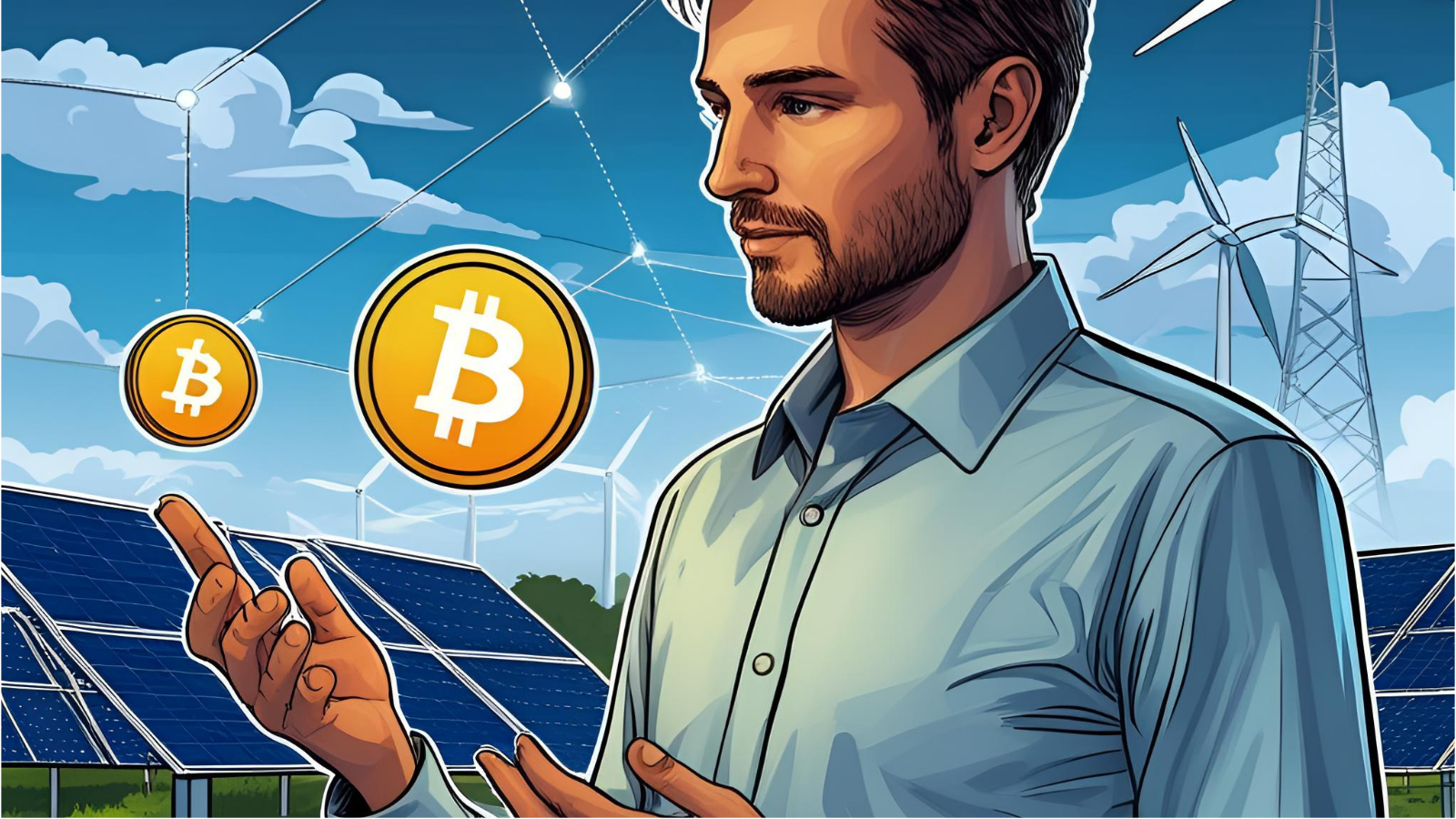
Energy tokenization on AIPCHAIN represents a paradigm shift in the decentralized energy economy. By encoding renewable energy into programmable, tradable digital tokens, AIPCHAIN empowers individuals, communities, and institutions to transact energy with unprecedented transparency, automation, and aligned incentives. The fusion of AI, blockchain, and clean energy, anchored by the versatile AIP token, offers a resilient, inclusive, and carbon-conscious roadmap toward a sustainable energy future.